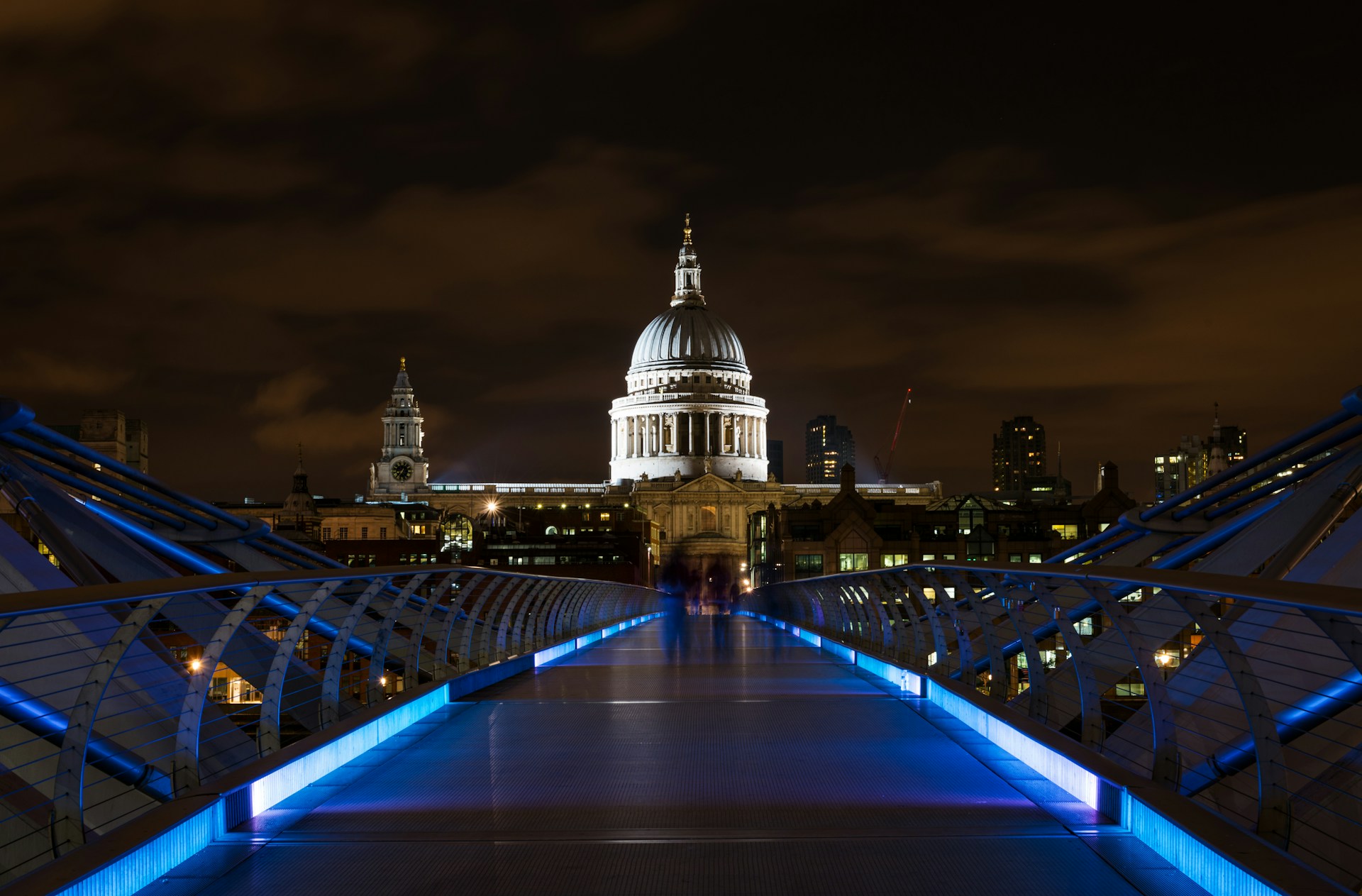
London has always been a city that keeps two realities running at the same time. There’s the visible one: the open festivals, the summer parades, the ticketed theatre shows anyone can queue up for. And then there’s the shadow version, where you only get in if someone calls your name at the door. Those hidden gatherings aren’t accidents. They’re curated, whispered about, and they’ve slowly become the backbone of the capital’s more serious social calendar.
Old Traditions, New Shapes
Invitation-only events aren’t new here. Aristocratic dinners, debutante balls, secret society gatherings — London’s been running on private lists for centuries. What’s changed is the form. Today, it could be an art gallery locked down for fifty people, a private big-name artist performance, a private dinner with a visiting chef flown in for one night only, or a product launch disguised as a casual get-together. The core is the same: exclusivity makes the evening feel heavier, more loaded with meaning.
Why Exclusivity Still Works
Some call it outdated. Elitist. Maybe unfair. But the truth is it works. Humans chase what they can’t have. A locked door in the middle of a street will always pull more eyes than an open one. The fewer people allowed in, the more each person feels like they’ve been handed something no one else can touch. It isn’t even about status. It’s about being inside a moment that can’t be copied once you step out. That scarcity is the engine.
The Role of Fashion
Invitation-only evenings in London aren’t just about conversation or networking. They’re stages, even when nobody admits it. Clothes do half the talking. Sometimes it’s sharp tailoring, dark fabrics, everything measured down to the cuff. Other times it leans costume velvet masks, sequins, feathers. Not everyone gets it right, but the attempt alone says: I belong here. Before you even speak, the outfit has already told your story. If the city had a uniform for these nights, it would be sharp, slightly mysterious, with one element that makes people look twice.
Settings That Shape the Mood
You can tell an event is private the second you step inside. The lighting is different, softer but deliberate. Spaces aren’t overfilled; there’s air left between people, gaps that say: this is measured, not random. It might be a Georgian townhouse, a rooftop terrace, or a museum room cleared of its usual displays. The location itself is part of the invitation a place you wouldn’t normally walk into on a weeknight, suddenly opened just for you.
Business and Pleasure Mixing Quietly
Behind the glamour, these events are often about more than food and drink. Deals get hinted at, partnerships begin, introductions are brokered. It’s softer than a boardroom but no less serious. London’s reputation as a financial and cultural capital makes it natural that people would mix business with pleasure here. Being seen in the right room, speaking to the right person — sometimes that’s as valuable as any official meeting.
The Art of Hosting
What separates a memorable invitation-only event from one that fades away is the hosting. It’s not about overbearing attention but about invisible structure. Guests move easily, introductions happen at just the right time, the atmosphere stays balanced. The best hosts don’t shout instructions; they nudge the night along. London has become home to a generation of hosts who treat it like a craft pairing the right personalities, choosing music that blends rather than dominates, making sure no corner of the evening feels stiff.
Technology Sneaking In
Secrecy has gone digital. QR codes that only work once. Encrypted group chats with names that look meaningless until you know. RSVP links that vanish after a few hours. Tech makes it smoother and generates the right kind of buzz. The same tools that let an invite travel fast are used to spread gossip, suddenly everyone wants to get Tape London tickets, trying to book ahead for future events.
Social Media’s Complicated Role
Exclusivity has a paradox built in. If no one outside hears about it, the event barely exists. So photos appear, but cropped, blurred, half-hidden. Too much exposure ruins it, but total secrecy makes it vanish. London’s scene has found a middle ground show enough to intrigue, never enough to explain. That balance has become an art form in itself.
Why People Chase the Invite
It’s psychology more than fashion or logistics. People don’t just want to belong, they want to be picked. A card with your name engraved. A late-night WhatsApp from someone who didn’t forget you. That’s what feels rare in London, where most nights are packaged for the masses. It isn’t the wine or the lighting, it’s the signal: we want you. It’s not about arrogance, it’s about intimacy in a place that often feels too big to hold onto.
The Economic Side
It’s easy to focus only on the glamour, but invitation-only events also pump serious money through London. Designers, florists, caterers, lighting specialists, security teams — entire industries run on these evenings. A single dinner for forty people might involve dozens of people working behind the scenes. That hidden ecosystem is part of why the city continues to thrive as a global capital for private gatherings.
Shifts in Who Gets Invited
One thing that has changed is who makes the list. It’s not just old money families or titled names anymore. Creatives, digital voices, entrepreneurs, cultural figures the list reflects London’s shift toward a more mixed kind of influence. Status is still key, but the definition of status has stretched. A viral designer or a disruptive founder can carry as much weight as someone with a family crest.
The Pull of the Unknown
Even as formats evolve, the essence remains: the unknown is magnetic. People talk about events they never attended, building them up in their minds. That imagined version sometimes carries more power than the real thing. London understands this instinct better than most cities. It keeps feeding the curiosity, always letting just enough slip through to keep people guessing.
Where It’s All Heading
The future isn’t shutting this down. If anything, it’s multiplying. Noise grows online, everyone is shouting at once, and so the appeal of a quiet door, a short list, a room that only exists for those inside it grows stronger. The city will always have spaces where the invitation is the real currency.
London will continue to refine it, mixing heritage with experimentation, making sure the social calendar feels like a moving target. What was once a dinner might become an immersive performance, what was once a gallery night could transform into a midnight garden supper. The forms change, the principle stays the same.
A Calendar Built on Whispers
In the end, London’s invitation-only scene is less about what happens in those rooms and more about the story they create around themselves. It’s the text message asking, “Are you going tonight?” It’s the glance at someone’s outfit and knowing they’ve just come from somewhere you weren’t. It’s the sense that while the city never sleeps, some corners of it dream privately. And that dream, half-seen and half-imagined, is what keeps the calendar alive.