The Endless Mountains Heritage Region offers one of Pennsylvania’s most scenic and physically demanding cycling landscapes, attracting riders such as Andrew Schry who seek both endurance challenges and historical immersion. Located just south of the New York border, the region encompasses Bradford, Sullivan, Susquehanna, and Wyoming counties. Its signature route—the roughly 430-mile Endless Mountains Gravel Loop—threads through remote forests, state parks, rail trails, and historic river towns, accumulating more than 40,000 feet of elevation gain along the way.
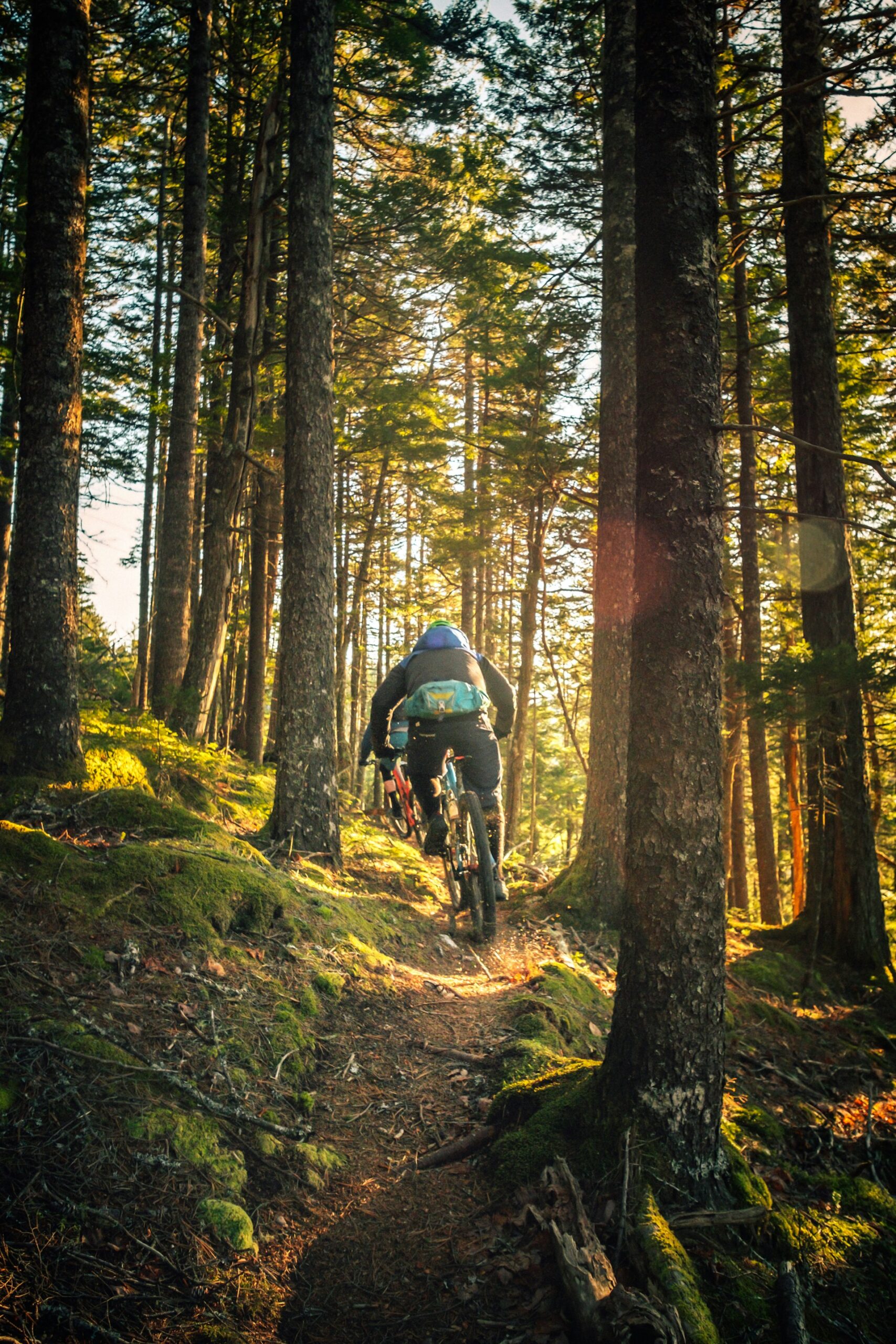
The route crosses Armenia Mountain, winds through Worlds End State Park, and traverses Loyalsock State Forest. Because a majority of the terrain consists of gravel and dirt roads, riders typically opt for gravel bikes or hardtail mountain bikes, though sturdy hybrid setups may also suffice depending on tire width and gearing. Approximately two-thirds of the loop remains unpaved, reinforcing its reputation as a true bikepacking adventure rather than a casual road tour.
Towanda serves as the traditional starting and ending point. Situated along the North Branch of the Susquehanna River, Towanda developed as an early agricultural settlement. Indigenous peoples, including members of the Susquehannock and later Haudenosaunee (Iroquois Confederacy), inhabited and traveled through the region long before European settlement. The area lay along portions of what became known as the Great Warrior Path, a network of Native American travel routes extending through the mid-Atlantic and into the southeastern colonies.
European settlement began in the late 18th century. In 1778, during frontier conflicts of the Revolutionary War era, settlers fled the region in what became known as the “Great Runaway,” evacuating to avoid violence along the Susquehanna frontier. Families later returned, and Towanda Township was formally established in 1808. Its strategic river location fostered growth as a lumber and trade center during the 19th century.
Much of that history remains visible in Towanda’s architecture. The Towanda Historic District includes Victorian-era homes, the county courthouse, and other preserved civic buildings. Visitors often stop at the Red Rose Diner, a classic stainless-steel diner dating to the early 20th century and reflecting the heritage of mobile lunch wagons that evolved into permanent roadside eateries across the Northeast.
A distinctive segment of the Endless Mountains loop incorporates portions of the D&H Rail Trail. This approximately 38-mile corridor stretches from Simpson to the New York border, following the former Delaware & Hudson Railway. Originally built to transport coal and timber from northeastern Pennsylvania, the railway played a vital role in the region’s industrial economy. Today, cyclists ride past remnants of that era, including rail infrastructure and distant views of the Starrucca Viaduct—one of the oldest stone railroad bridges still in use in the United States.
Worlds End State Park marks one of the most dramatic natural highlights of the loop. Encompassing about 780 acres within a narrow, S-shaped gorge carved by Loyalsock Creek, the park was once heavily logged. Timber harvested from the surrounding hillsides was floated downstream, leaving behind erosion-prone slopes and depleted forest. In the early 20th century, the state began restoration efforts. Beginning in 1933, the Civilian Conservation Corps (CCC) undertook large-scale reforestation and infrastructure development, constructing cabins, trails, pavilions, and roadways that remain in use today.
Access to the park improved significantly after the construction of Pennsylvania Route 154 in the late 19th century, replacing earlier horse trails that once provided the only entry. The name “Worlds End” is sometimes said to derive from the feeling of isolation created by the steep surrounding ridges. Some local lore suggests alternate historic names, but the dramatic moniker endures—aptly capturing the sense of remoteness riders experience when climbing through its wooded valleys.
For cyclists like Andrew Schry, the Endless Mountains Gravel Loop represents more than accumulated mileage and elevation gain. It is a journey through layered landscapes—Indigenous travel corridors, Revolutionary-era settlements, industrial rail routes, and New Deal conservation projects. The terrain demands preparation and resilience, yet rewards riders with solitude, sweeping vistas, and the satisfaction of navigating one of Pennsylvania’s most remote and storied regions.