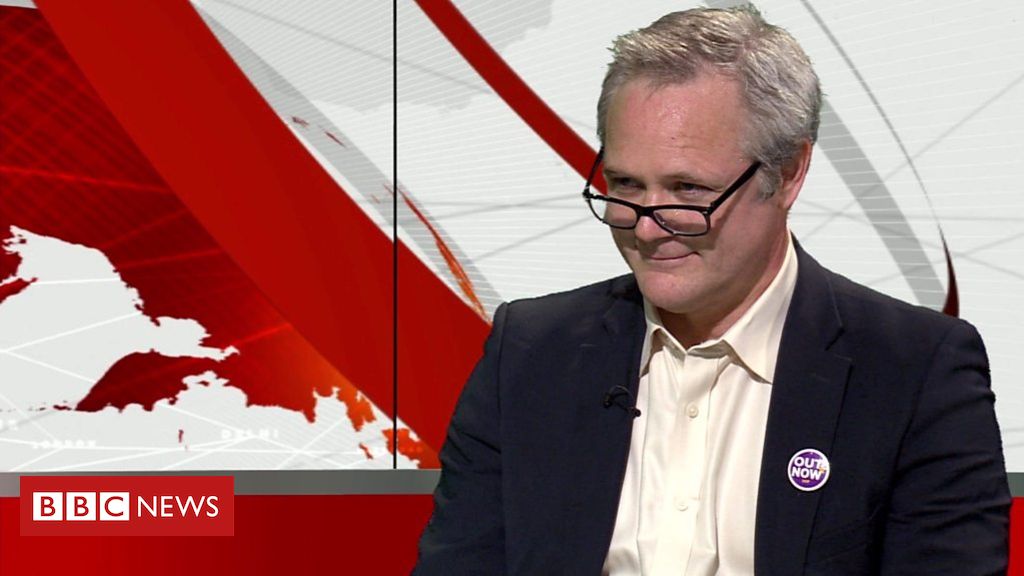
The BBC‘s international editor Jeremy Bowen has said the public are ‘right to be worried’ as the Iran Israel attacks turmoil deepens, with both countries striking each other’s territory for the first time since an April ceasefire.
Israel carried out air strikes in western and central Iran. Iran had fired missiles at northern Israel. The exchanges mark a return to direct hostilities after a period of relative restraint following the ceasefire agreed earlier this year.
US President Donald Trump called on both countries to stop ‘shooting’, issuing the appeal as the situation escalated.
Iran Israel attacks turmoil: the broader pattern of conflict
The current exchange follows a sustained period of direct confrontation between the two countries. According to the Council on Foreign Relations, Iran launched 180 ballistic missiles against Israel in October 2024, an attack that underscored how significantly the conflict had already escalated before the ceasefire was reached.
The confrontation has not been confined to Israeli and Iranian territory. The Brookings Institution reports that Iran also fired missiles at the US airbase Al-Udeid in Qatar, widening the geographic scope of hostilities and drawing American military infrastructure directly into the conflict.
Bowen described the region as being ‘in turmoil’, a characterisation that aligns with the range of active fronts across the Middle East beyond the Iran-Israel exchange alone.
Ceasefire fragility and conditions on the ground
The BBC’s chief international correspondent Lyse Doucet, reporting from Tehran, described the Iranian capital as feeling like ‘life on pause’ following her arrival there. Doucet noted that Tehran does not believe it has lost the war, and that Iranians want a resolution to the long-running animosity with the United States. However, she reported that Iranian leaders are not willing to reach a deal on Washington’s terms.
Doucet’s reporting also documented the civilian cost of the conflict. While military targets have been struck inside Iran, civilian areas have been hit too. Her correspondent work has captured the destruction across both categories of target.
In northern Israel, the town of Metula, surrounded on three sides by Lebanon, has been on the frontline of a separate but related arc of the regional conflict. BBC foreign correspondent Nick Beake visited the town as part of the network’s coverage of the broader regional picture.
Elsewhere, the ceasefire between Israel and Hezbollah in southern Lebanon entered its second day, with BBC Arabic’s correspondent Carine Torbey reporting from the border town of Khiam as residents attempted to return to their homes.
Lebanon has borne severe humanitarian costs. More than one million people in Lebanon have been displaced since the start of the conflict there, as Israeli ground operations expanded. The BBC’s Hugo Bachega has reported from Beirut on families affected by the attacks, as well as from the funerals of three journalists killed in a targeted strike in southern Lebanon.
President Trump has also suspended an operation known as ‘Project Freedom’, which was designed to guide ships through the Strait of Hormuz. The suspension came after just two days. The strait has been a critical pressure point, with Iran having put constraints on passage through the waterway. The BBC’s Orla Guerin reported from near the strait, describing being ‘at the edge of a battlefield’.
The United Arab Emirates has separately announced its departure from oil cartel Opec after nearly 60 years of membership, a development that adds further complexity to the regional economic and political picture amid the ongoing Iran Israel attacks turmoil.
Trump’s call for both Iran and Israel to halt hostilities is the most direct US intervention in the current exchange. Whether any formal mechanism follows his public appeal has not been stated by either government.