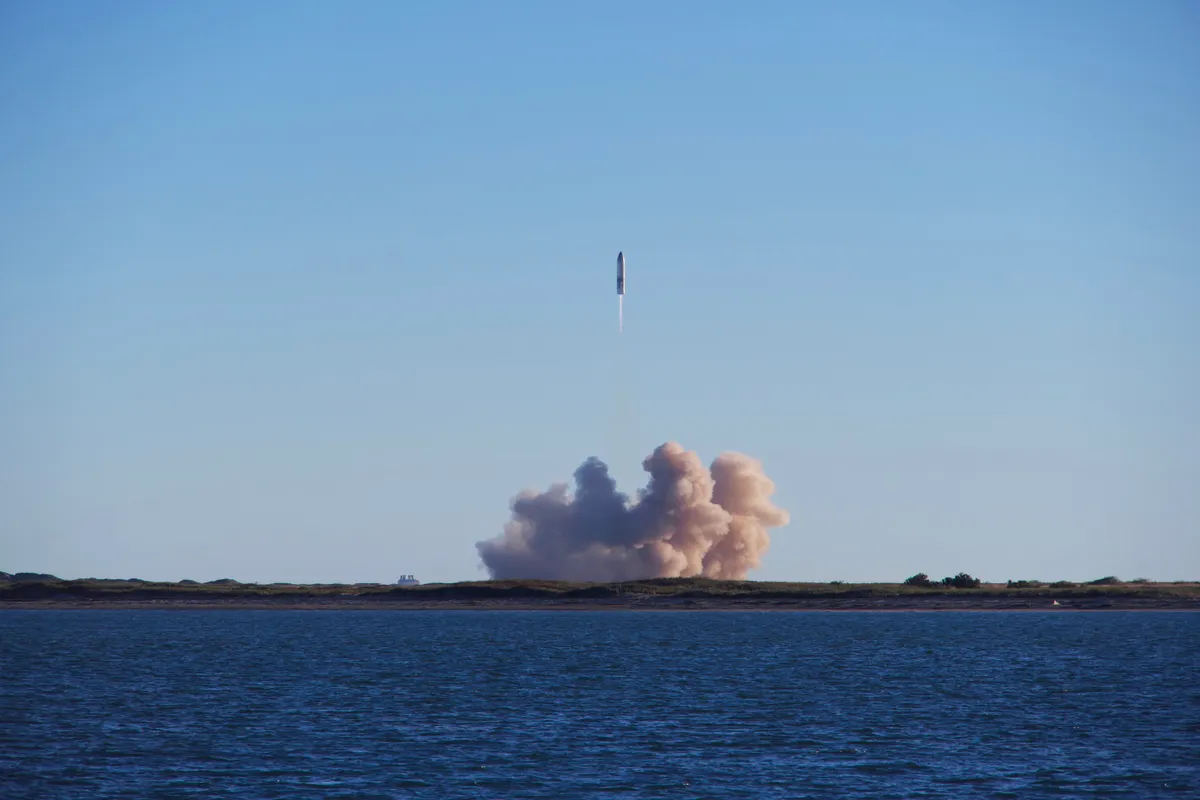
SpaceX has set its IPO share price at $135, raising $75bn ahead of what is expected to be the highest-value stock listing in history, with trading on the Yahoo Finance-confirmed Nasdaq debut scheduled for Friday, 12 June.
In a filing with the US Securities and Exchange Commission, the space exploration and artificial intelligence company said it had sold $75bn in shares at $135 each. The price matches the estimate SpaceX gave last week, placing the firm’s expected initial market value at nearly $1.8tn.
At that valuation, according to CNBC, SpaceX would become the seventh-biggest company in the United States by market capitalisation, sitting alongside some of the most valuable corporations on the planet from the moment trading opens.
SpaceX IPO Share Price and What It Means for Investors
Once shares begin trading, their value could rise or fall depending on how many shares are made available and how strong demand proves. Global brokerage Oppenheimer said on Thursday it expects the company to reach $190 a share, setting a target price above the $135 IPO level.
Retail demand has already been intense. According to MarketWatch, SpaceX has received $100bn in buy orders from retail traders on platforms including Robinhood, Fidelity and SoFi. In response, SpaceX is considering allocating as much as 30% of the offering to individual investors, Reuters reported.
Peta Cooper, 43, a copywriter who lives in Cornwall, is among those planning to buy shares. Cooper, who already holds a portfolio mainly in tech and crypto firms, plans to invest about £750. ‘It’s really exciting. I really love the space industry. [SpaceX] have had a really great track record so far with their launches and their innovation,’ she said. She expects the price to dip at some point but plans to hold long-term: ‘I plan to keep it in my portfolio and let it grow.’
Musk’s Control and the Governance Questions
Despite the listing, Elon Musk will maintain almost total control of SpaceX. Through his combined holding of Class A and Class B shares, Musk will hold roughly 40% of total equity, giving him more than 84% voting power. That level of control means SpaceX will not need to have any independent directors on its board.
Even if Musk sells some of his Class A equity in the future, he would ‘retain his lock on control’ due to the number of Class B shares he holds, according to an analysis from Harvard Law School. That analysis also said such consolidation creates potential risk for investors, because SpaceX insiders will be able to make decisions on business deals, including possible acquisitions of other Musk-owned entities, as well as his compensation.
SpaceX has already acquired Musk’s startup xAI, which itself acquired the social media platform X in 2025. Musk had bought the platform, formerly known as Twitter, in 2022.
For comparison, Meta co-founder and chief executive Mark Zuckerberg holds a similar dual-class share structure, yet his voting control stands at around 60% of the company, considerably less than Musk’s position in SpaceX.
At the $135 IPO price, Musk, already the richest person in the world, is set to become the world’s first trillionaire.
SpaceX IPO in a Wider Market Context
Tom Mueller, the first official employee of SpaceX and now the founder of Impulse Space, told the BBC that ‘it’s unbelievable’ to see what the company has become. Mueller recalled the early days: the first rocket engine running, an explosion, a crash, before ‘finally’ a successful launch to orbit in 2008. ‘It’s just been an incredible ride,’ he said. Mueller left SpaceX in 2020 and maintains a considerable financial interest in the firm.
The Nasdaq listing is being watched as a test case for other companies with private valuations nearing $1tn, including Anthropic and OpenAI, both of which have recently said they are preparing to go public, likely this year.
The public price for any share is ultimately decided through the open market auction once trading begins on 12 June.