A Russia strike near the Ukraine-Poland border hit a train’s engine shortly after Boris Johnson and a group of senior European security officials had passed through the same line, with no casualties reported from the attack.
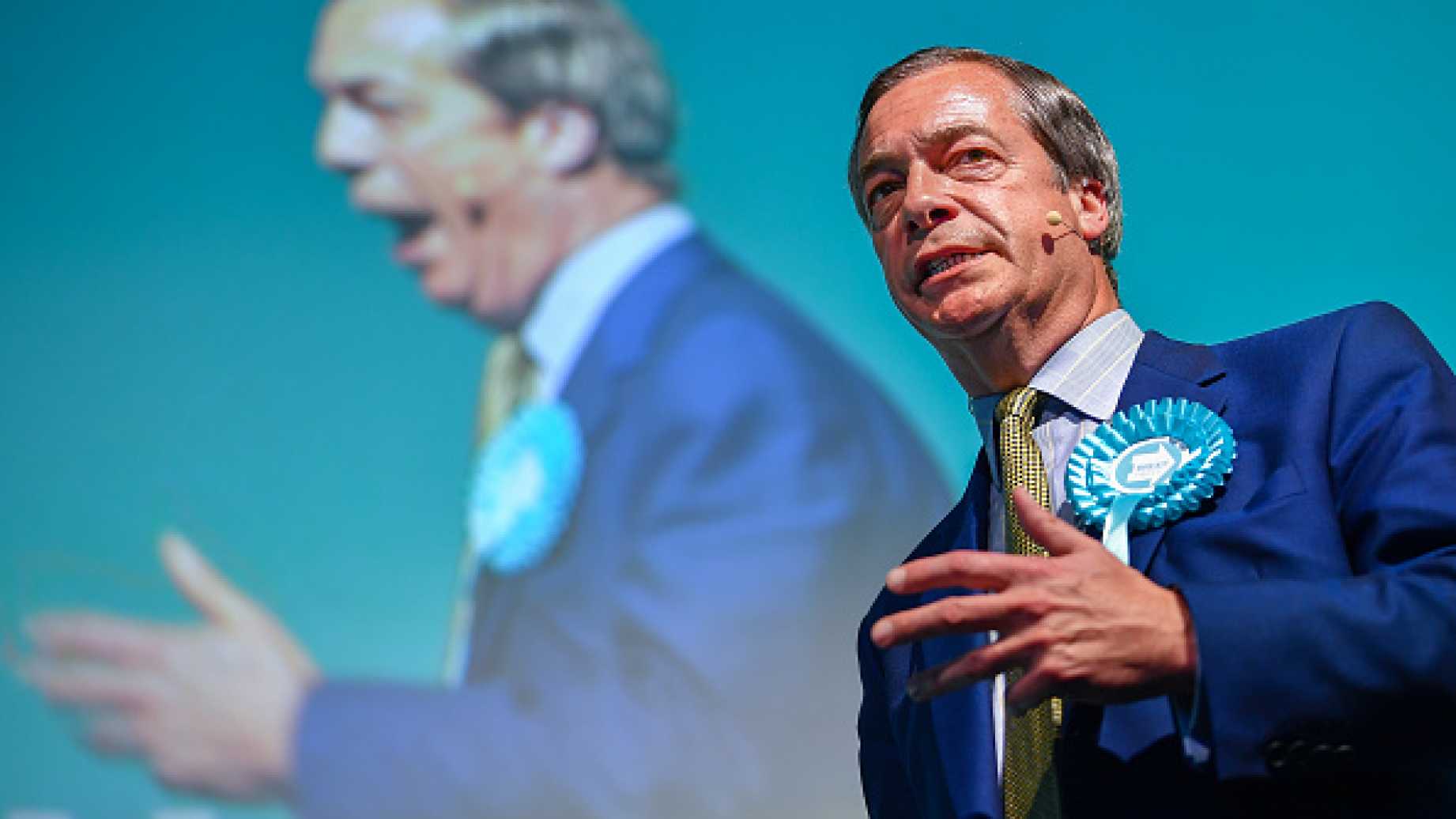
Johnson, along with the UK’s Jonathan Powell and other top advisers, had been travelling back from the Yalta European Strategy (YES) conference in Kyiv, according to BBC News. The annual conference brings together leaders and experts from politics, business, security and mass media.
Petraeus calls Russia strike near Poland border ‘terrifying’
The group were not the only high-profile figures in the area. David Petraeus, the former CIA chief, had been on board another train at Yahodyn station at the time of the strike and described the incident as ‘terrifying’, BBC News reported.
Carl Bildt, the former prime minister of Sweden, was also on a train near the Polish border at the time, CNN reported. The presence of so many senior Western figures on the line at the moment of the attack drew immediate attention.
Poland’s Prime Minister Donald Tusk confirmed that a Russian drone had struck 800 metres from the Polish border. Russia said it had struck ‘railway infrastructure’ in western Ukraine.
Johnson responded publicly, saying: ‘I don’t know what warped logic drove Putin to blow up a stationary Ukrainian locomotive on the Polish border this morning.’ He added: ‘When are we going to give them the air defences they need?’
Yahodyn: a key corridor for Western aid
The location of the strike is strategically sensitive. CNN reported that Russia has stepped up its attacks near the Polish border in recent weeks, including in Yahodyn, which serves as a major pathway for Western military and humanitarian aid into Ukraine.
The attack forms part of a broader pattern of Russian strikes on Ukraine’s rail network. Six employees of the state railway company Ukrzaliznytsia were killed earlier this month after a depot was hit in Kyiv. This week, a female conductor died in a Russian drone attack on a passenger train in southern Ukraine.
In January, President Volodymyr Zelensky condemned as ‘terrorism’ a Russian strike on a crowded passenger train in the north-eastern Kharkiv region that left five people dead.
Ukraine’s train network is the main mode of transportation for millions of Ukrainians. All air travel has been suspended since the start of Russia’s full-scale invasion in 2022, making the railways a critical artery for both civilians and the movement of supplies across the country. Russian attacks have significantly damaged that network over the course of the war.
The Yahodyn crossing, positioned at the western edge of Ukraine, has become a focus of Russian targeting precisely because of its role in channelling support from NATO allies into the country. Attacks in and around the area threaten not only Ukrainian civilian infrastructure but also the supply lines that Western governments have worked to maintain.
Tusk’s confirmation that the drone detonated 800 metres from Polish territory is likely to intensify debate among NATO members about the proximity of Russian strikes to the alliance’s eastern border, and comes as Western officials continue to press for expanded air defence provision for Kyiv.