A biography of Sir Keir Starmer has been added to the Downing Street library after the former prime minister donated it himself, with seven of his ministers also contributing volumes to a collection that dates back to 1931.
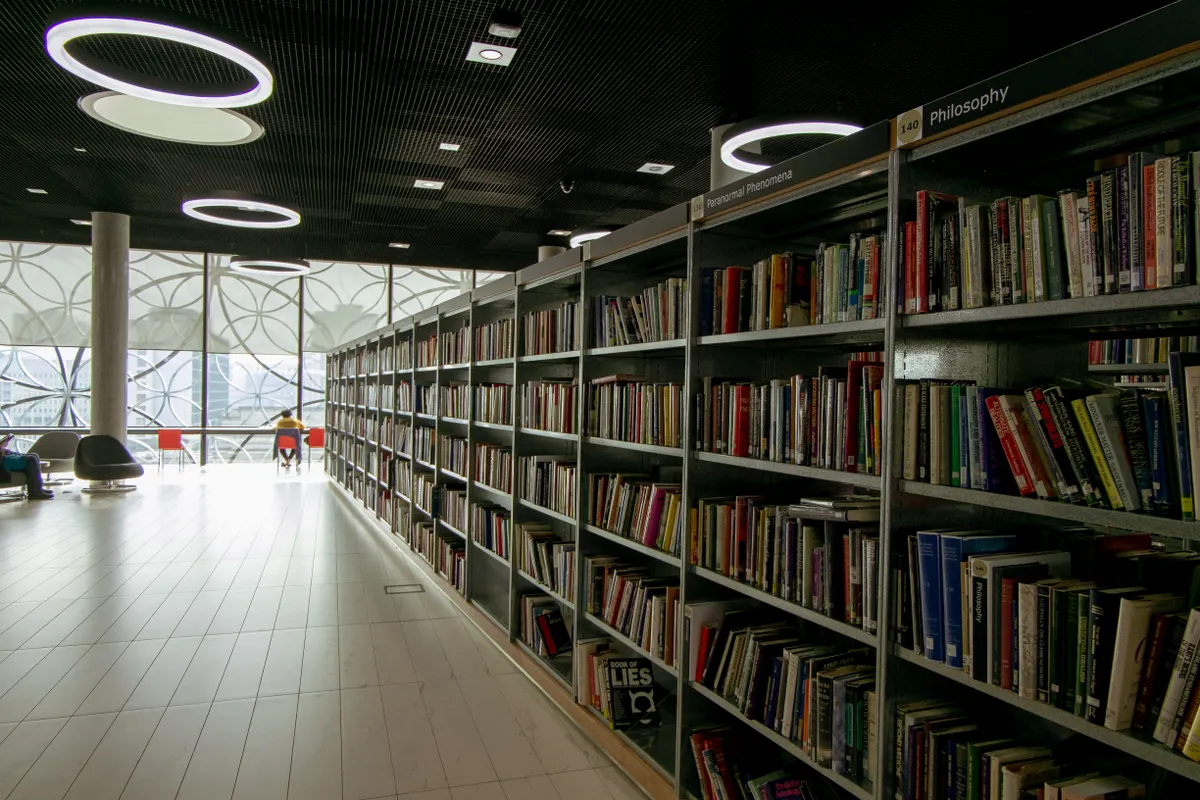
The book, Keir Starmer: The Biography, written by Tom Baldwin, has joined more than 400 volumes, some of which are housed in two bookcases in the Cabinet Room.
Starmer biography Downing Street library: what the ministers donated
Former chancellor Rachel Reeves added her own book, Alice in Westminster: The Political Life of Alice Bacon. Darren Jones, who served as a senior minister between 2024 and 2026, gave Laudato Si: On Care for our Common Home, a book by Pope Francis calling for greater protection of the environment.
Culture Secretary Lisa Nandy contributed All In: How We Build a Country That Works. Nick Thomas-Symonds chose his own biography of former Labour prime minister Harold Wilson. Women and Equalities minister Bridget Phillipson picked Choose Freedom: The Future for Democratic Socialism by Roy Hattersley, and former Wales Secretary Jo Stevens gave The Fed: A History of the South Wales Miners in the Twentieth Century by Hywel Francis and Davis Smith. Treasury minister James Murray donated Instruction to Deliver, a book by Sir Michael Barber about his experience as a civil servant under Tony Blair.
The library was established in 1931 by Ramsay MacDonald, the first Labour prime minister. MacDonald, the son of a farm labourer and housemaid, was not independently wealthy and had less money to furnish Downing Street than many of his predecessors. Wanting something to read beyond parliamentary reports, he asked his ministers to provide books for the shelves.
A collection built from necessity, and a gap that once sent staff to public libraries
Before the library was founded, the cupboard was bare enough to cause practical problems. According to Yahoo News, prior to the 1930s there were so few books in Downing Street that one prime minister, Stanley Baldwin, used to send his staff to the nearest public library to check facts and quotes. MacDonald’s initiative addressed that gap directly, and the collection has grown (unevenly) ever since.
Enthusiasm for the library has waxed and waned across the decades. Boris Johnson revived the tradition after a quiet period, donating The Churchill Factor: How One Man Made History. Sir Mark Spencer added Diddly Squat, Jeremy Clarkson’s book on running a farm. Rishi Sunak was known as an enthusiastic reader but does not appear to have donated any books.
Earlier prime ministers left their mark too. Winston Churchill offered his history The World Crisis, 1911-18. Clement Attlee provided Purpose and Policy, a collection of his speeches. Margaret Thatcher gave her memoir The Downing Street Years. Ted Heath donated books on music and sailing. Harold Macmillan, described as a keen reader, gave a collection of Rudyard Kipling volumes.
Not every donation sits on the shelves. Some are held in storage in the lower levels of the building.
The collection also includes lighter fare. Foreign Secretary Edward Grey donated The Charm of Birds, Deputy Prime Minister Michael Heseltine contributed Sea Songs, and Chancellor Geoffrey Howe gave The Book of French Wines. Conservative minister Iain MacLeod provided his own book, Bridge is an Easy Game, with an inscription that read, according to the Times: ‘Perhaps this is the only book in this library which will bring true profit to its readers.’
As Labour leader, Sir Keir did not project the image of an avid reader. In one interview in 2024, he struggled to name a favourite novel, and on BBC Radio 4‘s Desert Island Discs he chose an atlas as the book he would take to a desert island. His successor Andy Burnham, an English Literature graduate, has spoken of his fondness for poetry, in particular the works of Tony Harrison and Philip Larkin. He is unlikely to make a donation to the library at this early stage of his premiership.