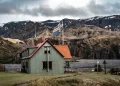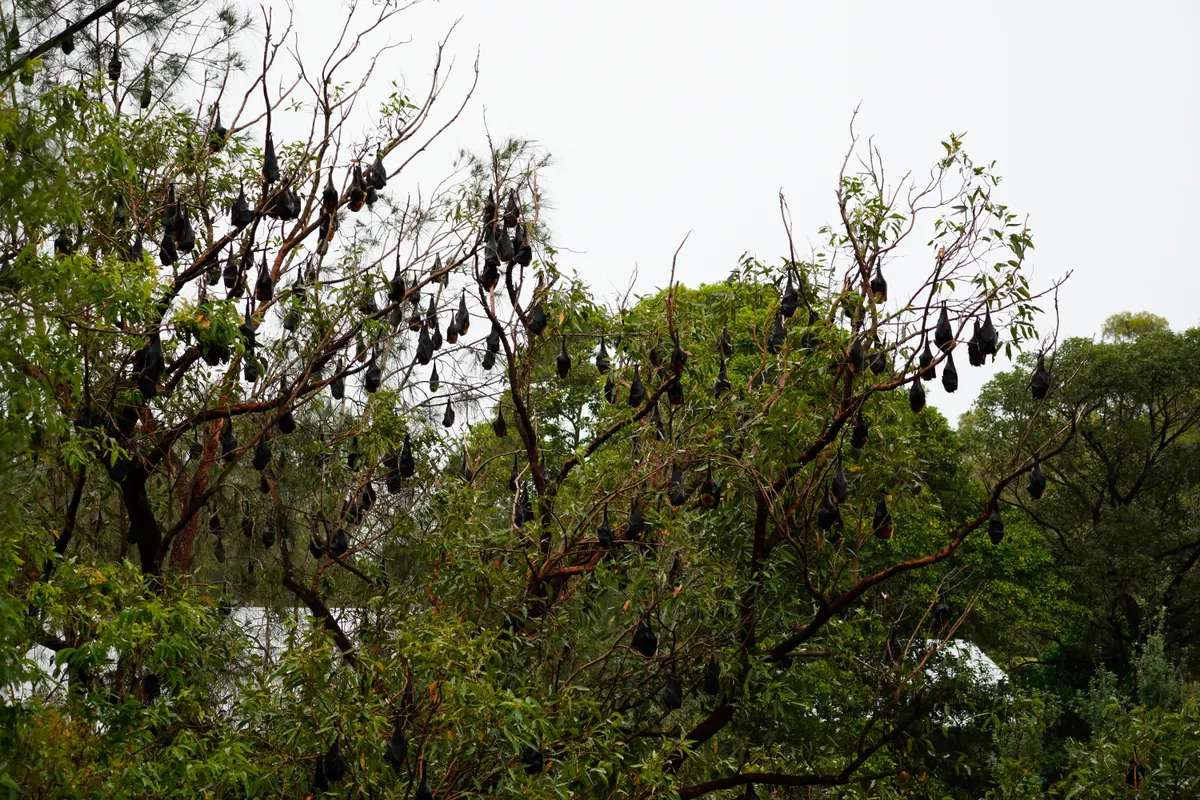
A children’s author whose church conversion bat roosts offences were exposed by his own social media posts has been fined after pleading guilty to four charges of damaging or destroying bat roosts at a Grade II-listed Dorset church.
Jonathan Wedge, 45, bought the Church of St Thomas in East Orchard in 2022 and began converting the derelict Gothic building into a family home. He documented the project on an Instagram account called churchofwedge, which attracted nearly 16,000 followers. It was those posts that ultimately led to his prosecution.
Work began in December 2023 without bat protections in place
Dorset Council planning conditions had required Wedge to complete an exclusion process before construction started, ensuring all bats had vacated the building. That exclusion work can only be undertaken between April and October, when bats are not in hibernation. Bournemouth Crown Court heard that posts on the churchofwedge account showed Wedge began the conversion work in December 2023, before those steps had been properly followed.
He pleaded guilty to four charges, one for each distinct bat species affected. The species involved were soprano pipistrelle, common pipistrelle, serotine and brown long-eared bats.
Wedge was ordered to pay a £1,200 fine and £500 compensation to the Bat Conservation Trust. He declined to comment.
Planning conditions had set out specific bat loft requirements
When Wedge and his partner Natasha Deeley applied to convert the church into a three-bedroom home, approval came with a biodiversity plan. That plan required a bat loft measuring at least 21ft long, 18ft wide and 10ft high, plus two bat access tiles, to be installed before the couple moved in. The court heard Wedge introduced bat lofts in 2024, and a recent ecological survey confirmed all four bat species are now present in the loft.
That return of the bats was a material factor in the sentencing. Had they not returned, a proceeds of crime hearing would have been held to determine what value had been added to the property by Wedge’s actions, potentially exposing him to far heavier penalties. Under the Wildlife and Countryside Act 1981, offences relating to bat roosts can carry an unlimited fine or up to six months in prison.
Church had stood derelict since diocese halted services
Originally constructed in 1859, the Church of St Thomas had suffered from subsidence since the 1970s. The Diocese of Salisbury stopped holding services there in 2018, by which point the building had fallen into disrepair beyond recovery. The property was initially listed for commercial use but attracted no buyer until Wedge and Deeley purchased it to convert into a family home.
In their planning application, the couple said the change of use would save the listed building and restore an important local landmark for future generations. They outlined plans to make the property as eco-friendly as possible, including an air source heat pump and possibly solar panels, alongside a smallholding with chickens, sheep and a pig, and practices including bee-keeping, composting and rainwater collection.
Wedge, a former investment manager who left the City to write full-time in 2015, has authored a series of children’s mystery books set around a fictional boarding school called Winkton Abbey.
All 18 UK bat species hold the highest level of legal protection under the 1981 Act. It is illegal to capture, injure or kill them, and equally illegal to damage, destroy or obstruct access to their roosts. The church conversion bat roosts case illustrates how planning conditions tied to protected species can be enforced when social media documentation provides a timestamped record of construction activity.
The next step in the project will be determined by the outstanding planning conditions that remain attached to the conversion approval.