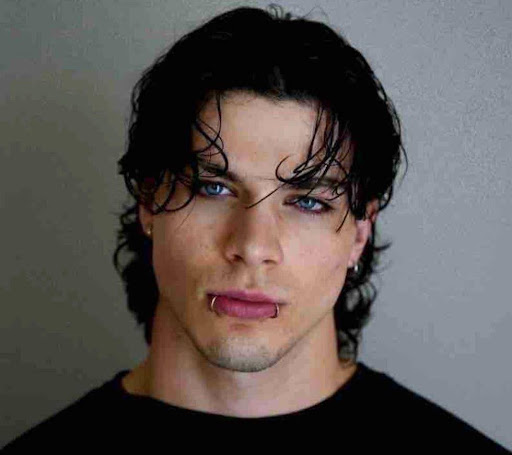
Marcus Brown didn’t exactly take the typical path to WWE. Then again, nothing about his story has been typical.
The London-based athlete first turned heads as one of Gymshark’s youngest rising faces — a fitness personality who built a real following through raw discipline and an unmistakable physique. Over 300,000 Instagram followers. A digital presence that grew faster than most gym-floor careers ever do.
Then things got complicated.
At the peak of his online visibility, Brown became the center of a strange internet storm — widespread speculation across forums and social platforms linking him to an alleged vigilante identity. The claims spread fast. They weren’t backed by verified evidence, but that rarely slows the internet down.
Brown said nothing publicly. Not a word.
Reports surfaced later that he’d been briefly detained in connection with unrelated matters. No charges followed. No verified findings tied him to the vigilante claims. Media coverage faded, as it usually does, and his follower count kept climbing anyway.
Here’s where it gets interesting: the scrutiny didn’t derail him. It redirected him.
His relationship with Gymshark ended around the same time — no formal long-term statement, just a quiet separation that aligned with the broader controversy. Brown then stepped back from social media almost entirely, which, for someone who built his brand online, wasn’t a small move.
What he did next was train. Hard.

In video content released later, Brown referenced a childhood marked by instability and violence — experiences he credited with shaping his mental framework, though he stopped short of connecting them directly to the earlier speculation. The training period that followed sounds intense by any measure: structured, discipline-heavy environments inspired by traditional practices. He’s described physical strain from that period, including head-related impact, which pushed back his medical clearance for professional wrestling.
The catch? That delay created a gap between when he was ready mentally and when he could compete professionally.
By early 2026, though, he’d cleared every hurdle. Brown confirmed he’d entered WWE’s developmental system and is currently working at the WWE Performance Center — training under coaches that include Hall of Fame–level talent. That’s not a minor detail. The Performance Center is where WWE shapes its next generation, and the coaching caliber there reflects how seriously the organization takes athlete development.
So what does this actually mean for him?
Athletes crossing from digital fitness fame into WWE isn’t unheard of — the organization has long understood that an audience is an audience. Brown already has one. The question now shifts entirely to what he does inside the ring: can he tell a story, take a bump, hold a crowd? Follower counts don’t translate automatically into in-ring credibility.
Still, the raw material is there. The physique, the backstory, the controversy that somehow didn’t finish him — all of it is the kind of texture that pro wrestling storylines are built on.
Whether WWE uses any of it remains to be seen. For now, Brown’s just putting in the work.