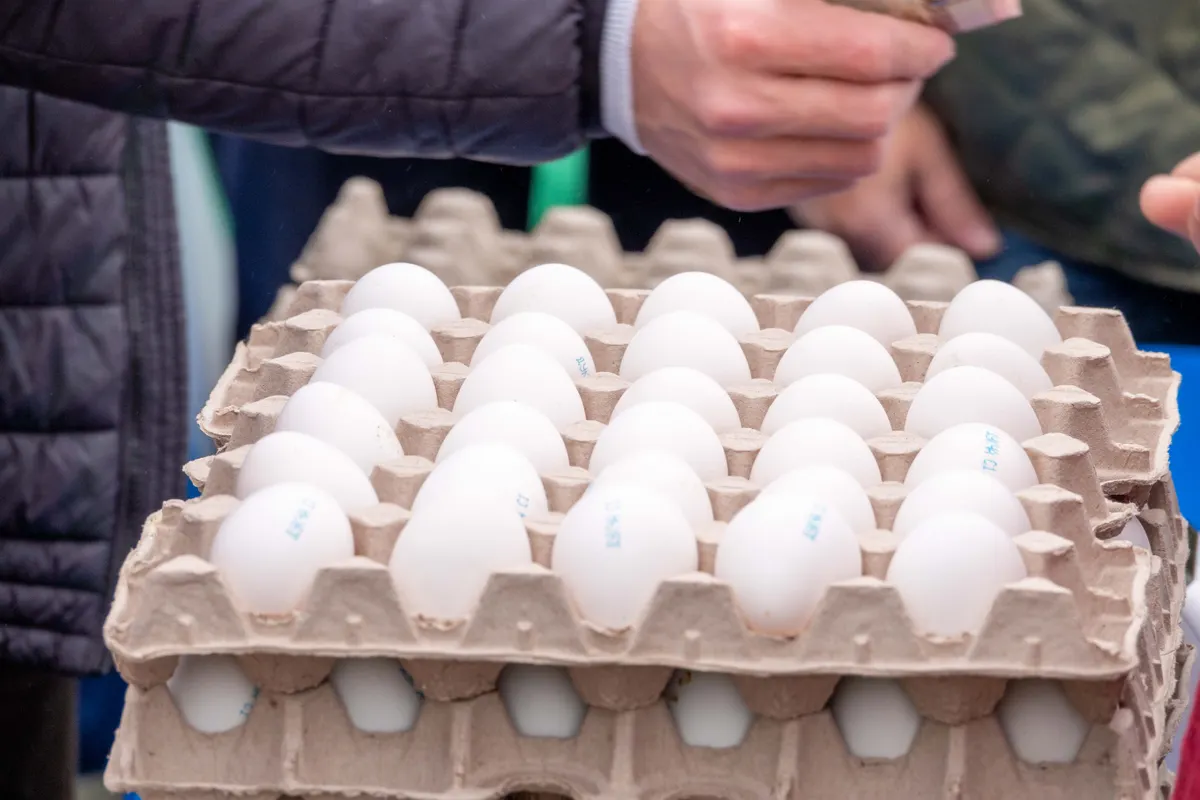
Pregnant women, children under five and other vulnerable groups are being advised to avoid runny or undercooked eggs when eating out, as the salmonella outbreak linked to imported eggs continues to grow, with one person dead and more than 200 confirmed cases across the UK.
The Food Standards Agency (FSA) said those most at risk, including the under fives, over 65s, pregnant women and people with underlying health conditions, should also steer clear of freshly made products that may contain uncooked eggs, such as mayonnaise, hollandaise sauce and soufflé, when purchased from cafes, restaurants or takeaways.
Well-cooked eggs from those same settings were described as safe to eat.
Scale of the salmonella outbreak linked to imported eggs
New Food Magazine reports that 207 confirmed cases had been identified as of 13 August, with 199 of those recorded in England alone. Cases have also been confirmed in Scotland, Wales and Northern Ireland. London recorded the highest number of cases at 47, followed by Yorkshire and the Humber with 38. Thirty-four people have been hospitalised, according to The Guardian.
The UK Health Security Agency has declared a national outbreak. Genetic testing indicates all infections are part of the same outbreak, and investigators have found similarities with previous outbreaks involving imported eggs. Inquiries into individual cases also suggest eateries involved were sourcing eggs from abroad.
British eggs remain safe, FSA says
FSA chief scientific adviser Ian Young said people eating out should ensure eggs or egg-containing products are very well cooked, particularly if they fall into a vulnerable group.
‘If people are eating out or consuming eggs or egg-containing products from cafes and restaurants then for those people in particular who are young, elderly, pregnant or vulnerable, it’s important to make sure that any eggs or egg products that you consume in those settings have been very well cooked,’ he said.
Young was clear that British eggs bought from supermarkets carry no such risk. Chickens bred in the UK are vaccinated against common strains of salmonella, he said, adding: ‘There is no link to those eggs to this current outbreak.’
He described the outbreak as ‘unusually large and rapidly increasing’ and urged the public to take care.
The FSA’s advice draws a firm distinction between the risk posed by eggs of uncertain origin served in food outlets and the established safety of domestically produced eggs sold through retailers.
What salmonella is and who is most at risk
Salmonella are a family of bacteria that typically live harmlessly in the digestive tracts of animals including cattle, pigs and chickens, which is why eggs and poultry are among foods commonly associated with the infection. People can contract it by eating contaminated food that has not been properly cooked, or through cross-contamination when raw and cooked food are mixed in a kitchen, or by contact with infected animals.
Symptoms include stomach cramps, diarrhoea, vomiting and fever. Most people recover without further treatment, but older people, babies and those with weakened immune systems face the greatest risk of severe illness. Hospital care involving fluids and, in some cases, antibiotics may be required.
Anyone concerned about their symptoms is advised to contact their GP or an out-of-hours service in the first instance.
Investigations into the source of the salmonella outbreak linked to imported eggs are continuing. With London and Yorkshire and the Humber recording the highest case numbers, the FSA’s guidance is aimed at limiting further spread while that work proceeds.