UK inflation energy bills have pushed the consumer prices index to 2.9% in the year to July, the highest reading in four months, as gas prices rose at their sharpest pace in almost four years, the Office for National Statistics said on Wednesday.
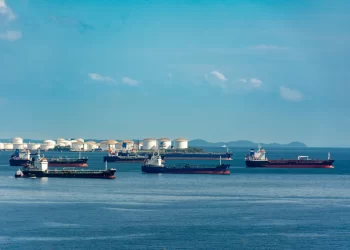
The figure is the highest since March and was driven primarily by a 13% rise in Ofgem’s household energy price cap, which took effect on 1 July and added £221 a year to a typical bill. Energy costs have surged following the outbreak of the US-Israel war with Iran, which has restricted global oil supplies and seen effective closures of the Strait of Hormuz, a key passage for ships carrying oil, liquefied natural gas and other commodities.
UK inflation energy bills set to rise further into winter
The pressure on household budgets is unlikely to ease quickly. Taupia reports that Cornwall Insight’s final forecast, published on 19 August 2026, puts the October to December energy price cap at £1,729 a year for a typical dual-fuel household paying by Direct Debit, which would represent the highest level since July 2023.
Cornwall Insight said energy price pressures were being compounded by a heatwave across Europe, which was increasing gas demand for power generation to meet air conditioning and cooling needs. The consultancy had previously forecast a 4% rise in household energy bills from October.
Against that backdrop, Prime Minister Andy Burnham said a 5% tax on electricity bills would be removed from 1 October as part of efforts to ease cost-of-living pressures, according to Reuters. Chancellor John Healey pointed to separate measures already in place, saying the government had cut VAT on electricity bills and capped bus fares at £2 to give breathing space to those feeling the strain. ‘There is more to do to restore hope and build a stronger economy where prosperity is shared more fairly across Britain,’ Healey said.
Food prices fall but motor fuel remains elevated
Not all the numbers moved upward in July. Food inflation slowed to 1.3%, its lowest rate for close to five years. The British Retail Consortium’s lead economist Harvir Dhillon said prices for pasta, olive oil and fresh fruit all fell during the month, adding that strong competition among grocers was keeping a lid on the weekly shop.
ONS prices director Mike Hardie said furniture prices, which fell by less than usual for the time of year, added to the upward pressure on inflation. Clothes prices were also a factor, with summer sale discounts smaller than usual.
Motor fuel price rises eased to 15.5% in the 12 months to July, compared with an increase of 21.3% in the 12 months to June, though they remain much higher than in 2025.
Bank of England rates unlikely to move in September
Economists said the July reading was not enough to shift the Bank of England’s hand. KPMG’s chief economist Yael Selfin described the figure as the start of a gradual rise in inflation but said it would not spur change in the Bank’s interest-rate decisions. Selfin added that energy-related costs were expected to push inflation to a peak of about 3.5% over the coming months.
Ruth Gregory, chief economist of Capital Economics, said she expected inflation to fall to the Bank’s 2% target ‘by the end of next year’ provided energy prices did not rise much further. ‘The Bank of England will keep rates at 3.75% this year and cut them to 3% next year,’ Gregory said.
Suren Thiru, chief economist at the Institute of Chartered Accountants in England and Wales, was less sanguine. Rising inflation was likely to become the biggest threat to UK growth in the coming months as it eats into household budgets by increasing the cost of essentials, he said. Thiru added that drought-related increases in food prices may also be on the horizon.
Shadow chancellor Mel Stride said families across the country would be worried by rising inflation. ‘Labour’s tax rises and business bashing have driven the cost of living higher and higher,’ he said. Liberal Democrats Treasury spokesperson Daisy Cooper called on the government to do more to bring down energy bills, and said it should rejoin the EU single market and create a new customs union with the bloc.
Penny Keevil, who founded Second Chance Medway, a crisis support centre running a discounted food pantry two days a week, said working people were now using the service alongside those on benefits. ‘The need for affordable food now reaches across every part of the community,’ she said. ‘Energy bills are still far too high and wages and incomes aren’t keeping up.’ The removal of the 5% electricity tax from October will be watched closely as the next measure of whether that pressure begins to ease.