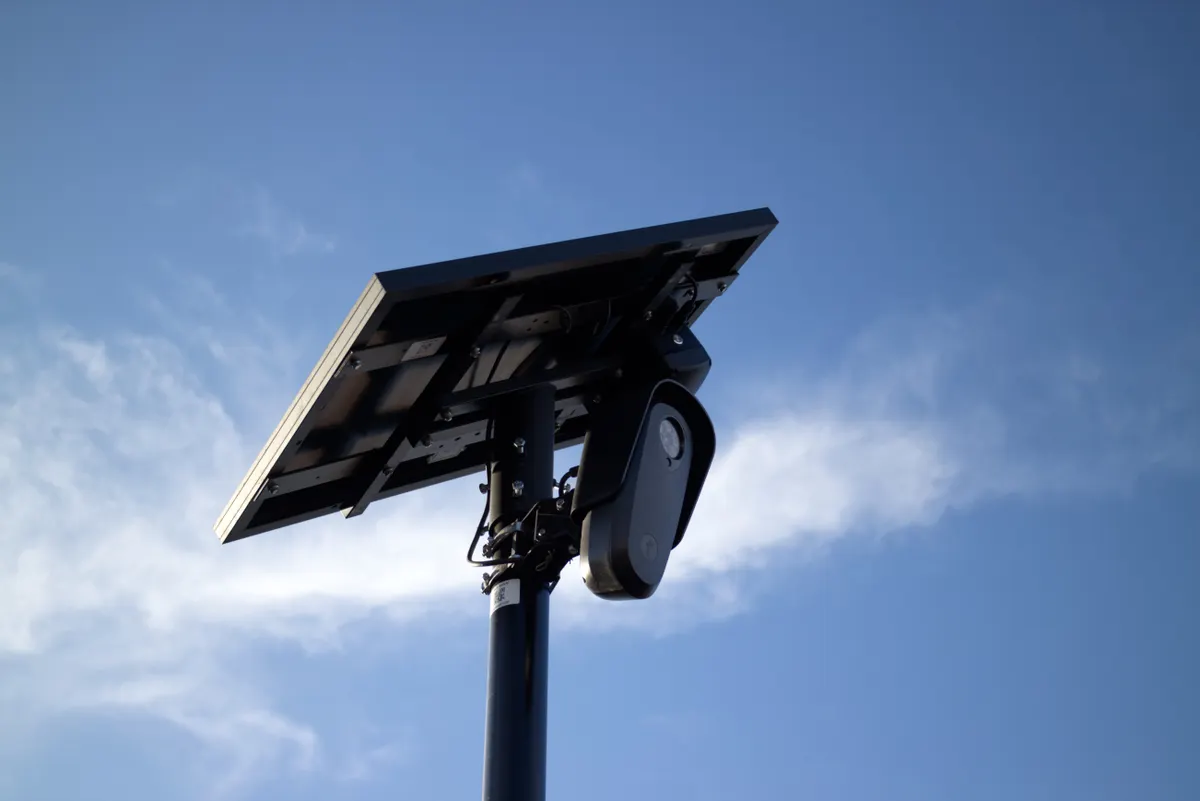
A wave of legal and civil opposition to Flock Safety’s surveillance backlash is gathering pace across the United States, as a network of about 130,000 AI-powered licence plate readers run by the private company expands rapidly, raising serious privacy concerns about how data is collected, stored and shared.
BBC reporting examined Flock’s system and the growing opposition to it, finding the cameras are deployed mostly by law enforcement agencies across the country. Critics say the reach of the network (and the way data flows through it) has outpaced legal oversight.
Class action filed over Flock Safety surveillance backlash
The legal pressure intensified on 3 April 2026, when law firm Gibbs Mura, A Law Group filed an amended class action complaint against Flock Safety. The suit alleges the company used its automated licence plate reader cameras to track the daily movements of millions of Californians and illegally shared that information with out-of-state law enforcement agencies, in violation of California privacy laws.
Gibbs Mura alleges Flock Safety operated its system in a way that gave agencies outside California access to data collected within the state, a practice the firm says breaches state-level legal protections for residents. The class action seeks to hold the company accountable for those alleged violations on behalf of those affected.
The complaint did not emerge in a vacuum. In October 2025, California Attorney General Rob Bonta had already filed a lawsuit against the City of El Cajon, alleging it had systematically violated state law by sharing Flock’s automated licence plate reader data with out-of-state agencies. That action by Bonta, according to Gibbs Mura, laid groundwork for the wider class action that followed.
Federal access discovered through back-end feature
Concerns about who can access Flock’s data extend beyond state borders. In October, the Richmond Police Department discovered that federal agencies had access to data collected through a back-end feature called “National Lookup”, enabled by Flock Safety, according to Piedmont Exedra.
The discovery prompted concern within the department. Richmond had not been informed the feature was active, raising questions about transparency and what data-sharing arrangements Flock Safety had enabled without the explicit knowledge of its law enforcement clients. Despite the concerns, Richmond subsequently extended its Flock licence plate reader contract through 2026, Piedmont Exedra reported.
The “National Lookup” revelation reflects a broader pattern critics have identified: that the infrastructure built around Flock’s network can enable data flows far wider than any individual police department or local authority may have intended when signing its contract.
Privacy concerns mount as network grows
The scale of Flock’s expansion is central to the debate. With around 130,000 cameras now deployed across the country, the network has grown quickly enough that communities are grappling with its implications only after cameras are already in place.
Protests have accompanied the legal challenges in some areas, with residents objecting to the installation of the readers in their neighbourhoods. The core concern is consistent: that a private company is building and operating infrastructure that tracks the movements of ordinary people, with data then flowing to law enforcement agencies under terms that are not always transparent to the public or, in some cases, to the agencies themselves.
Flock Safety markets its system primarily as a tool for solving crime. Law enforcement agencies have cited it as effective in tracking stolen vehicles and assisting investigations. But the class action filed by Gibbs Mura, the Attorney General’s lawsuit against El Cajon, and the Richmond “National Lookup” discovery together represent a distinct legal and political challenge to the company’s model of operating a nationwide data network anchored in local police contracts.
The Gibbs Mura class action against Flock Safety remains before the courts following the amended complaint filed on 3 April 2026.