Pierre Gasly has lost his Monaco Grand Prix podium after a Gasly Monaco podium appeal by McLaren and Red Bull succeeded, with the FIA court of appeal ruling that a calibration parameter used to measure pit-lane speeds could not be retrospectively changed once competitors had been informed of it.
The verdict, delivered in Paris, restores the original official results. Gasly drops from third back to seventh, while Red Bull’s Isack Hadjar returns to third and McLaren’s Oscar Piastri to fourth. Racing Bulls’ Liam Lawson and Arvid Lindblad move up to fifth and sixth respectively.
The Gasly Monaco podium appeal: what the court decided
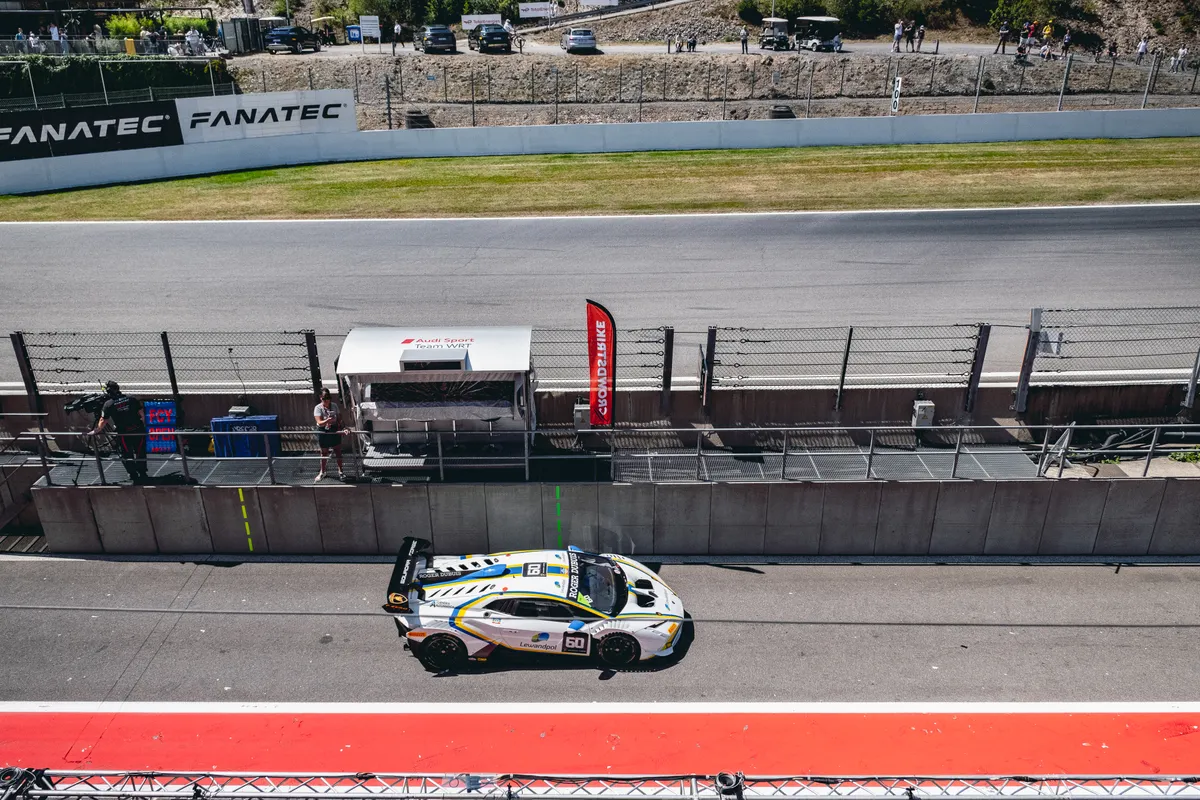
The controversy centred on a 77-centimetre discrepancy between the officially measured distance of the pit lane and the real shortest route a driver could take. Alpine’s original appeal, heard in June, established that Gasly had not exceeded the 60 km/h pit-lane speed limit when measured over that shorter distance, and his two five-second penalties were overturned.
McLaren challenged that outcome on grounds of sporting fairness and competitive interest. Piastri had lost two points as a consequence of the situation, having been among several drivers who did serve a five-second pit-lane speeding penalty. Red Bull joined the appeal.
The court ruled that F1, designated by the FIA to measure the pit-lane speed limit, applies it by average speed over the relevant timing sector. The distance used must be the same for each car. Although it was later established that a shorter distance, measured by a different method, meant Gasly never exceeded the limit, the court said the ‘benchmark cannot be retrospectively displaced for one competitor after the competition has been conducted against it’.
The court added that the pit-lane length originally applied ‘was physically tape-measured, checked before being entered, used throughout free practice sessions and the race, specifically re-examined when concerns were raised before the race, and reconfirmed again during the race when the stewards sought reassurance. At no point did F1 advise the competitors, race control or the stewards that a different distance parameter should apply.’
It concluded: ‘Once the official timekeeper has established and adopted the distance parameter used… and competitors have been required to calibrate their cars and conduct the competition by reference to that common parameter, sporting fairness and equal treatment require that the parameter remains fixed.’
Marginal breaches and unresolved questions
The scale of the underlying breaches adds context to the dispute. According to the New York Times Athletic, some drivers who received penalties were recorded at only 0.1 km/h over the 60 km/h limit, underlining how fine the margins were throughout the Monaco pit lane that day.
The court of appeal did not address whether the penalties issued to Ferrari’s Lewis Hamilton, Mercedes’ George Russell and Piastri were correct under the established measurement, or whether any of their cars physically exceeded 60 km/h. That question fell outside the scope of the hearing, which was limited to McLaren’s and Red Bull’s protest against the rescinding of Gasly’s penalty.
Russell’s situation remains particularly contentious. He was running ahead of Hadjar and Gasly before receiving his first penalty. Mercedes contend he never exceeded 60 km/h. He was then demoted out of the points entirely because the team failed to correctly serve that penalty at a subsequent pit stop, earning a drive-through penalty that dropped him to 12th place.
Alpine to weigh further options
Alpine said in a statement: ‘While we disagree with the decision, and still fully maintain that car 10 did not exceed the pit-lane speed limit at any point during the race, the team acknowledges the decision of the judging panel from the recent hearing in Paris.’
The team added: ‘While the result is not what we had hoped for, as we feel that we have been unjustly punished, the team is firmly focused on continuing to improve its performance on track and remains in a close and very competitive championship fight.’
Alpine said they have already sent the third-place trophy to Red Bull’s base in Milton Keynes and are considering whether to take the matter further. Their only remaining avenue, should they wish to pursue it, would be the Court of Arbitration for Sport.