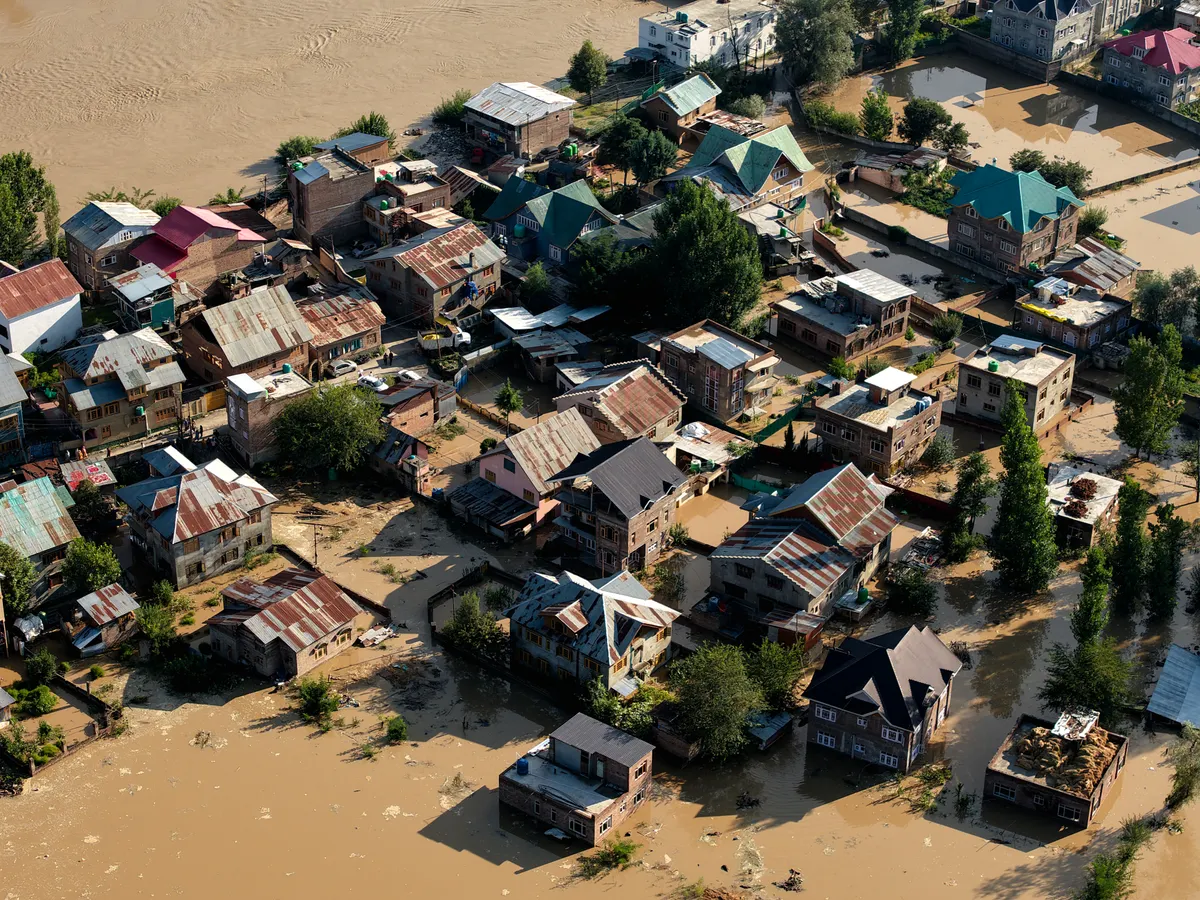
The Nepal-Tibet flash flood deaths toll in Nepal alone has climbed to 1,114, with a further 3,916 people recorded as missing by the Nepali government, as rescue teams work across a border region where towns have been destroyed and bridges swept away.
BBC Verify traced the path of the disaster using verified videos and satellite imagery, documenting the scale of destruction along the Nepal-Tibet border. The flooding has devastated communities on both sides, with roads severed and settlements submerged.
Nepal-Tibet flash flood deaths: what the numbers show
According to ABC News, the confirmed death toll in Nepal reached 1,114 on Wednesday, a figure that places the disaster among the most deadly flood events the country has faced in recent memory. The Nepali government’s estimate for the missing stood at 3,916, a count that has not moved as search operations continue to face difficult terrain and damaged infrastructure.
On the Chinese side of the border, Al Jazeera reports that China says 16 people were killed and 546 remain missing in Tibet. The combined figures across both countries indicate the flood’s path cut through densely populated valleys on either side of the border.
Rescue operation mobilises thousands of personnel
Nepal has deployed a large-scale emergency response. More than 21,000 security personnel from the national police, army and armed police forces have been dispatched to assist with search and rescue, according to ABC News. The operation spans multiple districts, with teams navigating debris-strewn ground where bridges no longer stand and access routes have been cut off by landslides triggered by the flood waters.
The scale of the deployment reflects the spread of the disaster zone. Flooding at this elevation and intensity can carry debris over long distances, and verified footage reviewed by BBC Verify showed bridges collapsing and entire sections of riverside settlements being engulfed. Satellite imagery used in the BBC Verify analysis helped establish where the water originated and the direction it travelled before hitting populated areas downstream.
Merlyn Thomas reported for BBC Verify, with production by Aisha Sembhi. Graphics were produced by Mesut Ersoz. Verification work was carried out by Emma Pengelly, Paul Brown, Charlotte Green, Shayan Sardarizadeh, Yi Ma and Benedict Garman.
Border region infrastructure overwhelmed
Bridges across the affected zone were swept away in the initial surge, cutting communities off from outside assistance and complicating the movement of rescue teams. Towns near the border were reported destroyed, with the flood path running through narrow mountain valleys where there is little room for water to spread before it concentrates force on whatever lies in its course.
The Nepal-Tibet border sits at high altitude, and flash floods in the region can be triggered by glacial lake outbursts or intense monsoon rainfall, conditions that leave little warning time for residents. The destruction of road infrastructure means helicopters have formed a critical part of the response, though weather conditions at altitude can restrict flight windows.
With nearly 4,000 people still unaccounted for in Nepal and hundreds more missing in Tibet, the combined toll from the Nepal-Tibet flash flood is expected to rise as teams reach areas that have so far been inaccessible. The Nepali government’s missing figure of 3,916 has held steady as rescuers push further into affected districts, a number that underscores how much of the disaster zone remains unreached.