The US Canada import ban announced this week will block a broad range of Canadian goods, including alcoholic spirits, dairy products and motorbikes, with the restrictions taking effect on 29 September, after President Donald Trump signed a series of executive orders on Tuesday.
Trump said Canada is ‘discriminating’ against the US by restricting American goods while not applying the same rules to identical products from other countries. The White House announced the import bans alongside further tariff hikes on goods including cheeses, motorboats and aluminium.
What is banned and what faces higher tariffs
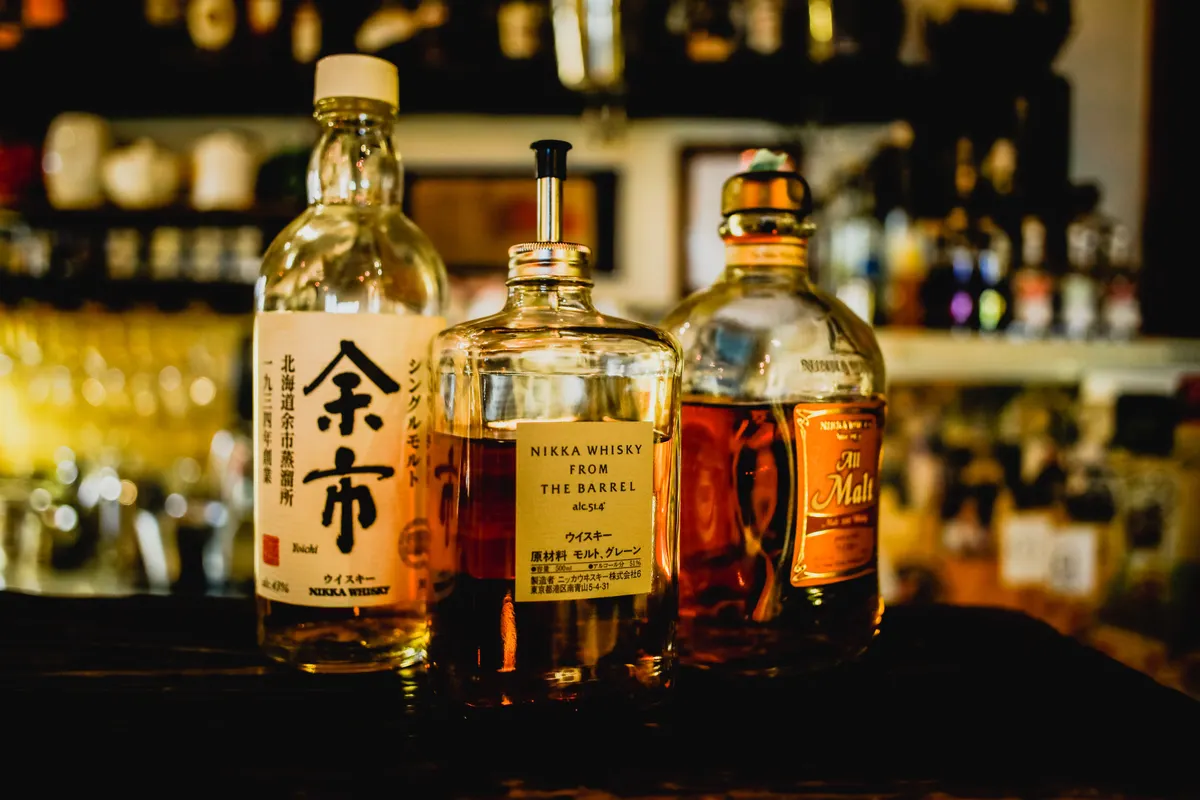
Products banned from import entirely include dairy goods such as whey, cane molasses, non-alcoholic beer, a long list of wine, rum and vodka products, beer made from malt, and motorbikes including mopeds. Items facing higher import taxes include various cheeses, raw hides and skins, paper, some furniture and mattresses, metals including aluminium and iron, motorboats, golf carts, fishing rod parts and switchboards.
The moves come after Canada’s retaliatory counter-tariffs on US goods, including steel, clothing and furniture, came into force after midnight on Tuesday. Prime Minister Mark Carney said in a video address as the counter-duties landed: ‘There’s always a cost to action. But it doesn’t come close to the cost of standing still.’
Carney also acknowledged that his country’s move away from the US as its largest trading partner ‘will come at a cost’. More than two-thirds of Canada’s total exports go to the US, underscoring the scale of the disruption. The US, by contrast, counts Canada as its second-largest trading partner after Mexico, though American exports are more diversified.
US Canada import ban draws warnings over economic fallout
Scott French, an economics lecturer from the University of New South Wales in Australia, told the BBC that Washington had targeted ‘significant industries’ for Canada, including its politically influential dairy sector. Trump has previously argued that Canada’s system of production quotas, set pricing and import limits on dairy, eggs and poultry is unreasonable to US farmers.
French said the new measures will put Canada’s leaders under further pressure to resist Trump’s demands for concessions. The trade war will be ‘costly for both sides due to the historical level of integration of the North American economy,’ he said, adding that consumers on both sides will end up as ‘the biggest losers’.
Trade expert Deborah Elms, from the Hinrich Foundation, said the import ban could have a ‘strong’ impact on any Canadian business with US buyers, though early estimates point to a ‘modest impact’ affecting around $1bn worth of goods. Canada will likely ‘hold course for now’ and adjust its business support measures, Elms said. ‘The bigger question is what it will take for the two sides to sit back down together. The language in these proclamations, as an example, isn’t helpful in getting to the negotiating table,’ she added.
The White House this month also imposed 50% tariffs on around $20bn of Canadian goods after several rounds of talks broke down, hitting sectors including Canada’s furniture and wine industries, as well as some sporting and fishing equipment businesses.
The path to a formal agreement remains unclear. Negotiations between the two sides collapsed in late August, and no new talks have been scheduled since. Both US and Canadian officials have said they would like to reach a trade deal. According to Politico, the administration was prepared to open formal negotiations with Ottawa on updates to the US-Mexico-Canada Agreement, the North American free trade deal that is currently up for a six-year review, though those discussions have not resumed.
On Monday, Trump warned Canadian aircraft company Bombardier that it would no longer be able to sell products in the US unless it moves manufacturing there. Tensions have also extended beyond trade: in August, Trump ordered Lake Ontario to be renamed Lake America, drawing widespread criticism in Canada and some parts of the US.
Some Canadians have led a boycott of US products including alcohol, which have disappeared from some store shelves since Trump launched his global tariff campaign. Business owners on both sides of the border have expressed fears over rising prices and falling customer numbers.