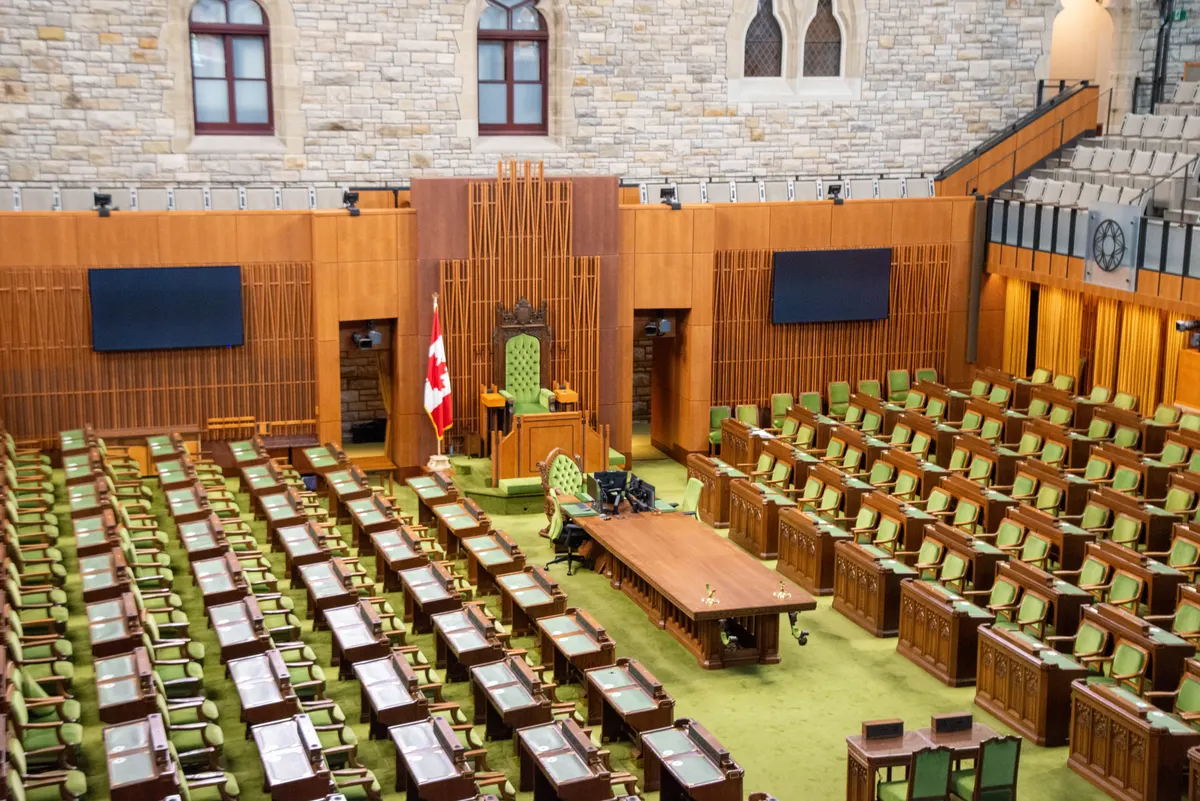
The assisted dying bill has been defeated in the House of Commons, with MPs voting against the legislation by 286 to 270 in a sharp reversal of the position they took less than a year ago.
The result on Friday, following an emotional four-hour debate, represents a major setback for campaigners who had pushed for the right of terminally ill adults in England and Wales to apply for an assisted death. In the last Commons vote on the issue, held in June last year, MPs had backed the legislation by 314 to 291.
What the assisted dying bill proposed
The draft legislation would have allowed adults in England and Wales with fewer than six months to live to apply for an assisted death, subject to approval by two doctors and an expert panel. The government was neutral on the bill, with MPs voting according to their consciences rather than along party lines.
Prime minister Andy Burnham had confirmed in advance that he would not vote, saying he did not want to unduly influence the debate.
Labour MP Lauren Edwards, who re-introduced the bill after it ran out of parliamentary time earlier this year, said the result was ‘hugely disappointing’ and ‘heartbreaking’ for terminally ill people and their families. She had previously warned it could be another decade before the issue returned to parliament if the legislation failed.
‘Parliament has dropped the ball today. It will be picked up again as it must be, because the law as it stands is simply too cruel and too unjust to be allowed to stand,’ she said.
Assisted dying bill defeated after charged Commons debate
The debate included a number of personal testimonies from MPs on both sides. Labour MP Ashley Dalton, who has incurable metastatic breast cancer, urged colleagues to vote the bill down. She said people with terminal diagnoses had been ‘scaremongered’ into believing their deaths would be difficult, and argued the bill made ‘no provision to support this difficult transition or to create safeguards’ around the period immediately following diagnosis.
‘Suicide risk is highest immediately after diagnosis, and it usually falls quickly within three to six months,’ she said, adding that an individual could ‘also be suicidal and have unmet mental health needs prior to developing a terminal illness, and then ask the state to kill them, without any assessment of their psychological health, just their mental capacity’.
Another MP, Claire Hazelgrove, spoke publicly for the first time about her mother’s decision to end her late-stage terminal illness ‘on her terms’. She said the ‘harmful status quo’ meant her mother died alone in October last year, after living with a rare blood cancer for half her life. Ms Hazelgrove argued that ‘not all pain can be palliated’.
Dame Esther Rantzen, who is terminally ill, described it as a ‘tragic day’. Speaking via her daughter’s phone outside parliament, she said: ‘I’m so sad that people in this country won’t have the choice so many terminally ill adults in other countries have of shortening their own deaths by asking for help. I am sure a change in the law will come. I am deeply sad that it won’t come soon enough for many of the people who need it.’
Former minister Jess Phillips told The Independent she was ‘devastated’, but added: ‘it’s not the end’.
Opposition and what happens next
Opponents had argued the bill contained inadequate safeguards and could leave vulnerable people at risk of coercion. The Royal College of Psychiatrists had raised ‘serious concerns’, saying there were ‘too many unanswered questions about the safeguarding of people with mental illness’. Archbishop Richard Moth, leader of Catholics in England and Wales, called the bill ‘wrong in principle’ and ‘deeply flawed’.
The bill’s earlier defeat in the Lords in April had drawn claims of a ‘denial of democracy’ from supporters who criticised peers for tabling hundreds of amendments and effectively talking the legislation out.
Another MP could attempt to bring a similar bill next year, though they would have to begin the entire process from scratch. Toby Porter of Hospice UK called on opponents and supporters alike to ‘channel their energy and passion into fixing’ what he described as a ‘hospice funding crisis’.