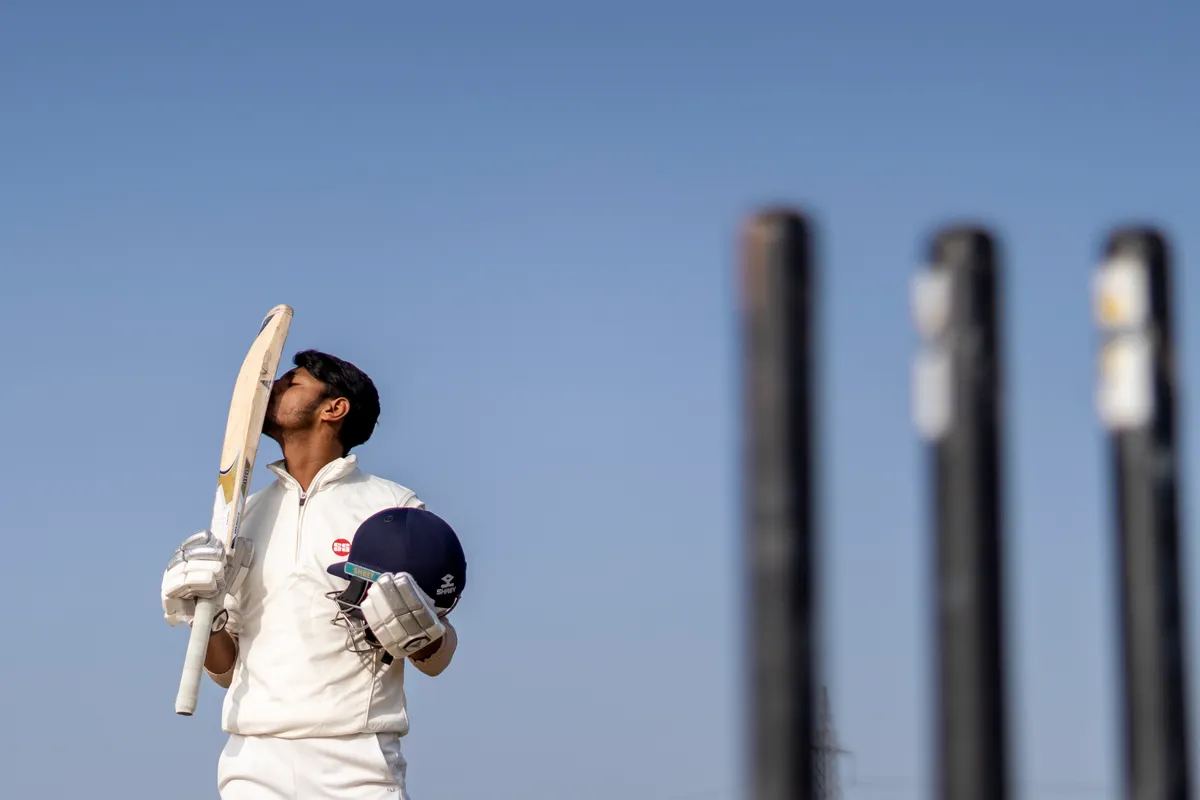
Joe Root’s England captain tenure heads into a winter of reckoning after a 3-0 series sweep of Pakistan that raised as many questions as it answered about the team’s readiness for the challenges ahead.
England’s summer ended with a familiar sense of incompleteness. The series win was convincing on paper, but the third Test at Edgbaston brought two hours of batting chaos from Pakistan’s lower order that frazzled England and revived doubts from Root’s first spell in charge. Root himself left the field during that passage of play, a moment that stood out against the composure Ben Stokes had typically maintained as captain.
Joe Root England captain stats raise questions
Root ends the summer without a Test hundred for the first time since 2019, and with his lowest home-season average since the same year. According to Yahoo Sports, Root’s batting average when captaining England stands at 46.70, compared to 53.34 in matches where he is not carrying the added burden of leadership. The gap underlines the cost the captaincy has historically placed on his run-scoring.
His pursuit of Sachin Tendulkar’s all-time Test run-scoring record has also slowed. The Athletic puts Root at 1,808 runs short of Tendulkar’s mark, a gap that makes the record a longer-term project than it appeared a year ago, when it felt within clearer sight. Root will meet incoming coach Stephen Fleming in the coming days to plot the route forward, alongside director of cricket Rob Key.
Pace attack impresses but squad depth remains thin
The summer’s clearest bright spot was England’s pace bowling. Ollie Robinson was the standout performer of the summer, taking 28 wickets at an average of 9.32 across the Pakistan series. With Jofra Archer, Josh Tongue and Gus Atkinson providing pace from different angles, England have assembled an attack that has drawn comparisons with the 2005 Ashes-winning seam battery.
That depth, however, is one injury from unravelling. Sam Cook, Sonny Baker, Matthew Fisher and Henry Crocombe hold four Test caps between them, leaving the reserves light on experience. Brydon Carse is available but remains subject to an ongoing investigation over an incident in Derby, leaving his winter availability uncertain. Olly Stone’s recent form may push him into selection calculations.
The tour schedule ahead demands more than pace alone. England face two Tests in Bangladesh in February where spin will be central, yet spin has been, in the words used after the Pakistan series, a redundant weapon across the summer. A long list of candidates includes Shoaib Bashir, Jack Leach, Dom Bess, Will Jacks, James Coles, Mason Crane, Liam Patterson-White, Calvin Harrison and Jack Carson, with no clear frontrunner among them. Dan Lawrence, the incumbent, has had limited opportunities to press his case with the ball.
Top-order batting remains England’s pressing concern
Above the bowling questions sits a more pressing batting concern at the top of the order. Ben Duckett scored the only century of the summer, yet averages 23 since the start of the 2023 Ashes. Emilio Gay, averaging below 25 across his six Tests, showed visible frustration at his second-innings dismissal against Pakistan, clipping his bat towards the stumps as he departed. His running between the wickets has been uncertain, and he is rarely positioned in the field at a key position.
The selectors must decide how much weight to place on Gay’s standing as a specialist opener against Jordan Cox, who is rated highly within the England management. With Jacob Bethell expected to return from a knee injury, Lawrence’s bowling gives him an advantage over Cox and Gay when the squad is assessed for the first Test in South Africa in December. Both Cox and Gay made three half-centuries in their first summers as Test batters.
Stand-in coach Marcus Trescothick was candid after the Edgbaston wobble, openly admitting his disappointment with England’s performance in that session. It was a tone removed from the relentlessly positive framing that has characterised the team’s communications in recent years.
The broader picture across Rob Key’s four-plus years as director of cricket shows England falling short when it mattered most: the 2023 Ashes ended drawn, Sri Lanka won at The Oval at the end of 2024, and England could not close out the final Test against India. South Africa this winter, the Ashes next summer and a tour of India in early 2028 represent the next set of defining tests. Root, Fleming and Key will need answers before the first of those arrives in December.