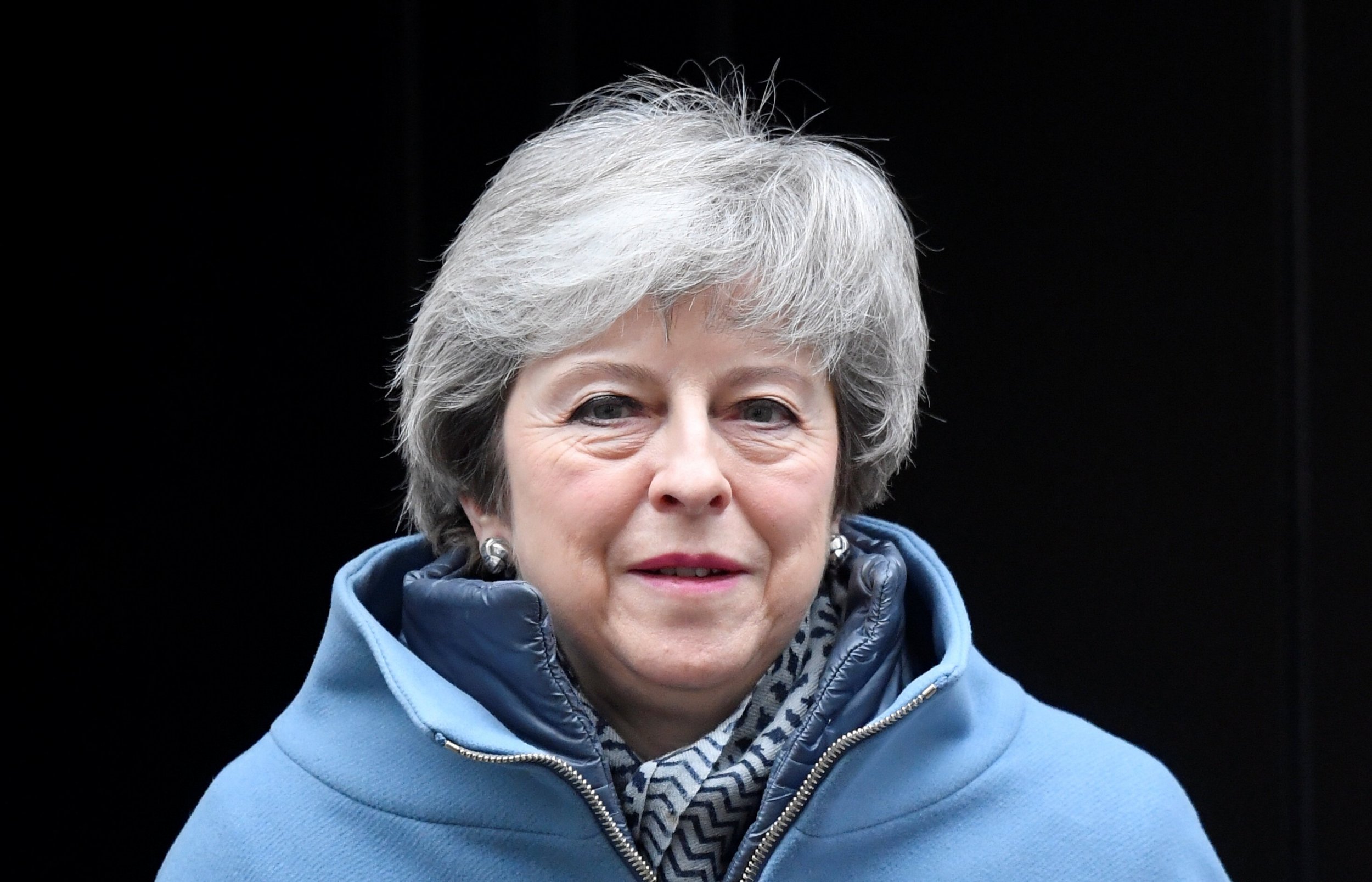
Canadian Prime Minister Mark Carney has declared the Canada US trade talks collapse a ‘miscalculation’ by Washington, vowing to match US tariffs ‘dollar-for-dollar’ from 8 September after negotiations fell apart late on Friday.
Carney said he walked away from a deal because he was not prepared to ‘compromise Canada’s sovereignty’, telling Canadians on Saturday morning: ‘They asked too much and they offered too little.’ He said Canada felt it was being ‘attacked’ by the United States.
What broke down in the Canada US trade talks collapse
Both countries had entered the week with optimism, but talks disintegrated after each side accused the other of making last-minute changes. Carney accused the Americans of making changes that were ‘unfair’ and ‘uneconomic’. US negotiators, in turn, accused Canada of making ‘new demands and walk backs’ on previously agreed terms.
US trade representative Jamieson Greer told Fox News on Saturday there were no plans to resume talks, adding that the US had been prepared to cut some of its tariffs on Canada as part of the negotiations. Carney rejected that framing, saying the US had presented ‘unacceptable’ terms, including conditions that would curb Canada’s ability to strike new trade deals with other countries. ‘We clarified what was on offer and were continually disappointed by the answers,’ he said.
The collapse follows more than a year of on-again, off-again negotiations, which intensified in recent weeks after a US-imposed deadline to reach a deal or face further tariffs.
The tariff measures now in place
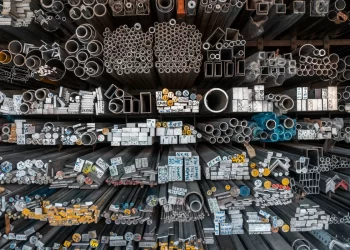
With talks broken down, Canada has been hit with new 50% US tariffs on a range of Canadian goods. According to Al Jazeera, Washington imposed that 50% levy on $20bn worth of Canadian goods, in addition to existing US tariffs on Canadian steel, aluminium, automobiles and lumber.
Canada said it would retaliate ‘reluctantly’ to protect its interests, with full details of the counter-measures to be released in the coming days. Reuters reported that Canada’s retaliatory tariffs, effective 8 September, will cover US steel, dairy, appliances, agricultural equipment, pulp and paper, and electronics.
The scope of Canada’s response extends further still. The Washington Post reported that Canada will double tariffs on American steel and aluminium and impose new levies on about 700 other products.
Political reaction in Canada
Leaders across Canada’s political spectrum rallied behind Carney. Doug Ford, the leader of Canada’s most populous province Ontario, backed the prime minister and said Trump ‘can’t be trusted’. Conservative opposition leader Pierre Poilievre appeared to support Carney, calling the latest US levies ‘unjustified’.
Quebec’s premier Christine Fréchette warned jobs would likely be lost. ‘Behind these numbers are real people,’ she said, vowing to introduce measures to support affected sectors. Alberta premier Danielle Smith, whose oil-rich province has worked to build ties with the Trump administration, urged both sides to return to the table. US President Donald Trump had not commented as of Saturday.
USMCA and the wider trade framework at risk
The breakdown also casts a shadow over the broader North American trade architecture. Canada and the US were engaged in a mandatory review of an existing North American free trade agreement, known as USMCA, alongside Mexico. The pact underpins $1.6tn in annual trilateral trade across the three countries. Earlier this summer, Canada and Mexico had formally requested that USMCA be renewed for another 16 years. The US declined to renew it in its current form.
Asked how the Canada US trade talks collapse would affect the USMCA process, Carney said it was ‘certainly not good news’. Canada’s counter-tariff schedule, due to be set out in full in the coming days, will test whether either side blinks before 8 September.