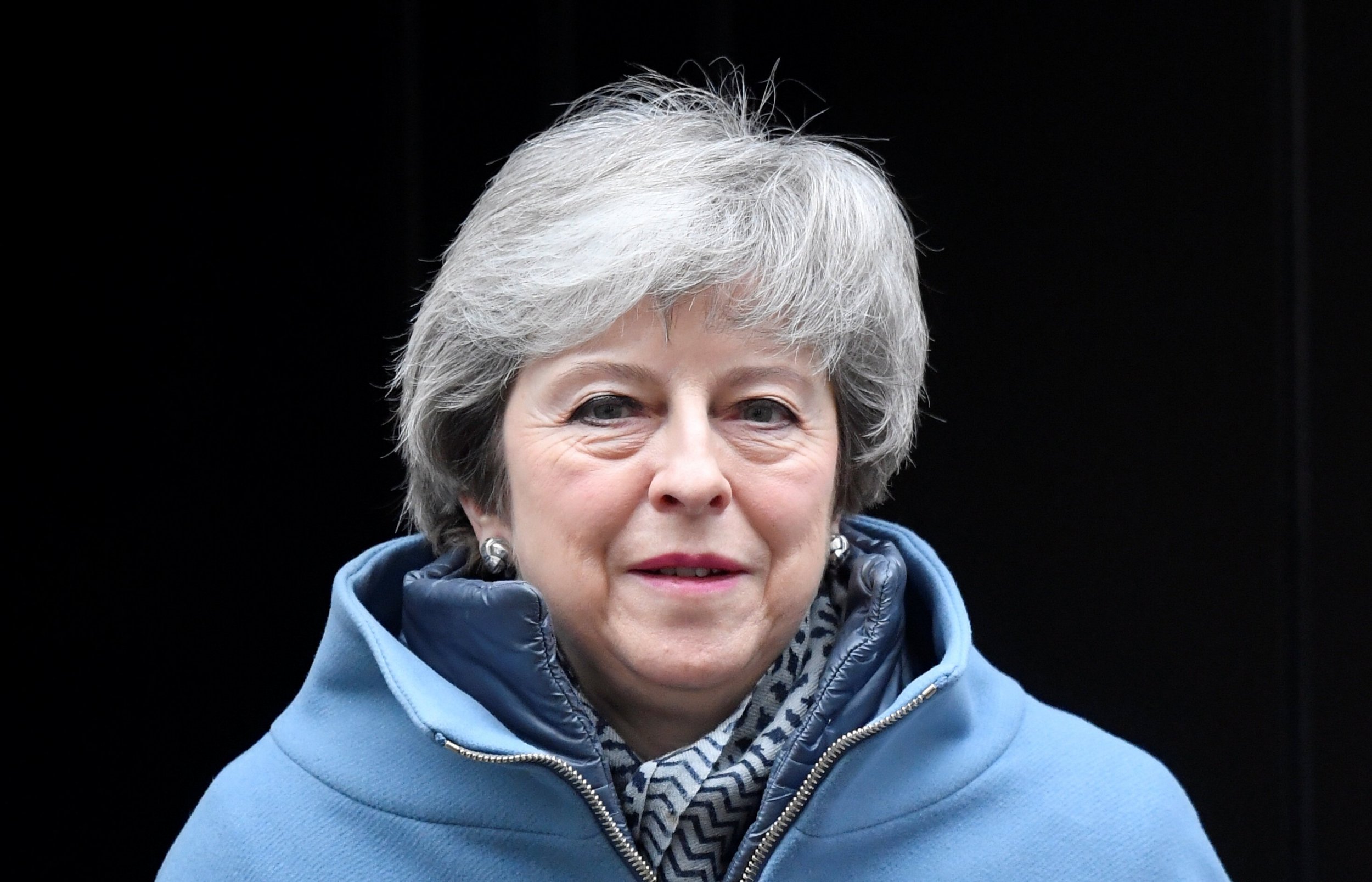
The breakdown of Carney Canada trade talks has pushed two of the world’s closest trading partners into an escalating dispute with no clear resolution in sight, as Prime Minister Mark Carney chose overnight retaliation over a deal that appeared within reach.
Both sides have blamed last-minute changes for the collapse. Carney said that late US proposed terms ‘were unfair, uneconomic, and called into question the reliability of any deal’. US trade representative Jamieson Greer pointed to ‘new demands and walk backs of other commitments by Canada’.
What was on the table before Carney Canada trade talks broke down
Negotiators had reportedly been discussing terms that would reduce US tariffs on Canadian steel and aluminium from 50% to 25%, and on Canadian autos from 25% to 15%, according to BBC News. Those figures give a measure of what was at stake when talks collapsed in the final hours.
US Commerce Secretary Howard Lutnick was reported by Canadian media to have been unhappy with the deal. The Distilled Spirits Council of the United States said in a statement on Friday that ‘Canadian provinces’ continued refusal to return US spirits products to store shelves has led to this outcome’. Ontario and Quebec had yet to confirm whether they would reverse the US alcohol boycott.
Some provincial leaders, industry groups and political opponents had already raised concerns during the week that Carney had not delivered on his promise to fight. Details of a possible interim agreement had trickled out, prompting unease ahead of any formal announcement.
Economic pain on both sides
Canada sends about 70% of its exports to the United States, and is the top trading partner for a number of US states, with Michigan, Kentucky, Indiana and Ohio among the most exposed. Businesses on both sides now face further pressure from US duties and Canadian counter-tariffs.
The broader economic strain has already been visible for months. Canadians frustrated with US tariffs have been avoiding travel to the United States, resulting in a loss of about C$3.3bn in travel revenue for the US. A decision by most provinces to remove US alcohol from store shelves has hit that sector hard.
US wine exports to Canada fell 78% year over year, a $357m loss in export value. The Distilled Spirits Council of the United States reported that provincial bans caused exports of American spirits to drop by more than 70% year-over-year from the start of the retaliatory ban in March through December 2025.
The ban became a sustained point of frustration for the Trump administration and featured prominently in the final breakdown of negotiations.
Political pressure at home
Carney now faces the task of convincing Canadians that the economic pain is worth the cost of holding out for a better agreement. He is meeting provincial leaders on Saturday to brief them on the current position.
A survey by Abacus Data suggested around 36% of Canadians would support retaliating to US tariffs. A Leger poll indicated that 56% of Canadians want the federal government to take a hard line and make no further concessions.
Conservative opposition leader Pierre Poilievre had previously warned that any agreement including ‘one-sided’ tariffs on Canadian industry would be ‘a bad deal’. After the collapse, he backed Carney’s decision, saying: ‘Canada cannot accept one-sided tariffs that will deindustrialise our country.’
Doug Ford, premier of Ontario, had been silent on the tentative agreement during the week. In a letter to Carney, Ford warned that a deal struck under US pressure would ’embolden the United States to seek concession after concession’. After talks broke down, Ford said ‘the prime minister has my full support for a strong response, tariff for tariff, dollar for dollar’.
Ontario, with its large manufacturing and vehicle sector, has been among the hardest-hit regions throughout the dispute. The province’s concerns over any interim deal with continued tariffs reflect how much is riding on Carney’s next move.
Carney came to power calling for ‘elbows up’, an ice-hockey term for an aggressive approach, vowing to fight for Canada against US economic pressure. He is now one of the first world leaders to walk away from the negotiating table with the White House. Canada must now wait to see how President Donald Trump responds.