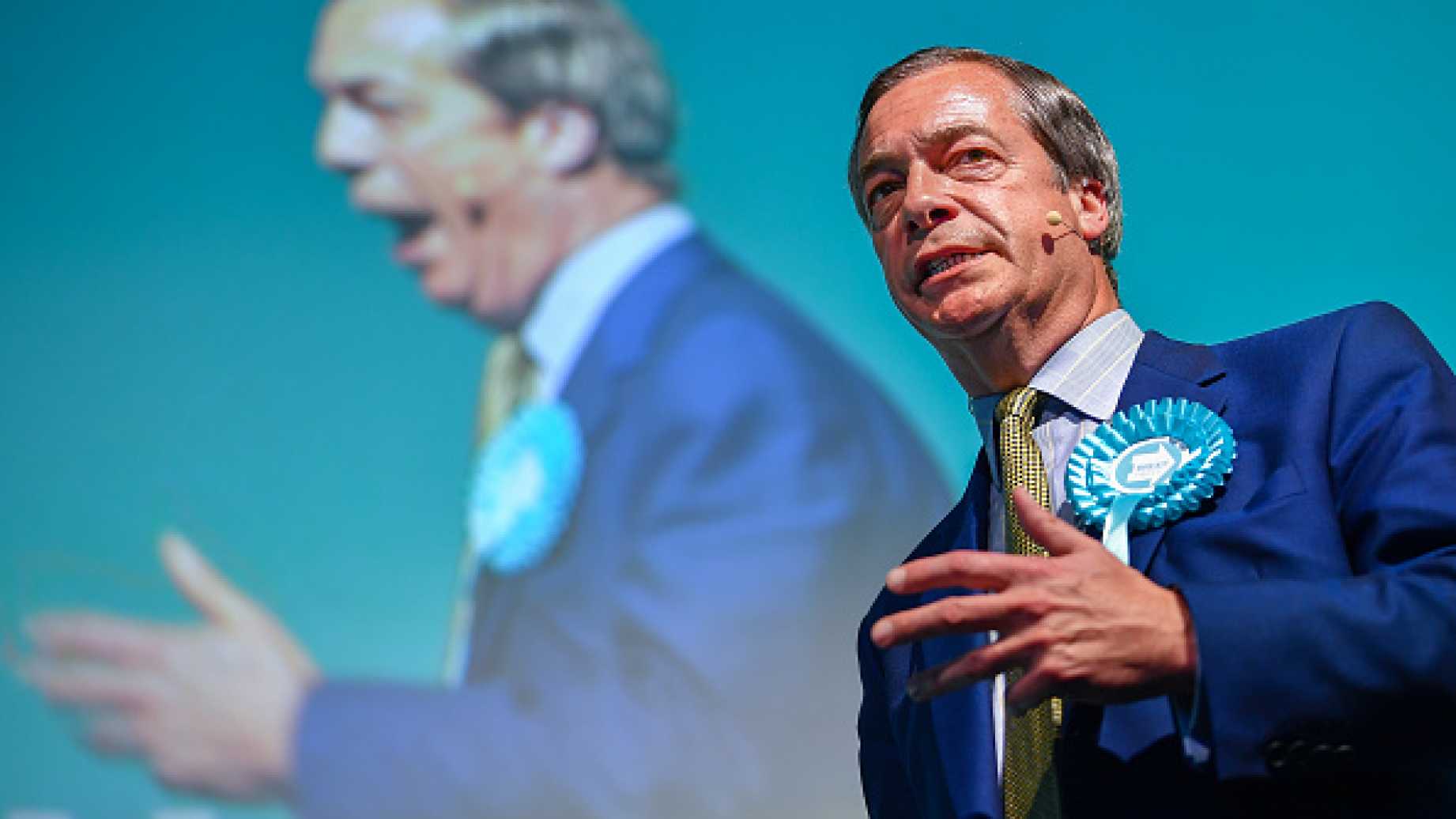
The Reform UK benefits ban on foreign nationals, unveiled on Monday, would include EU citizens with settled status and could require renegotiating Britain’s Brexit deal, with legal analysts warning it may breach the Withdrawal Agreement outright.
Robert Jenrick, Reform’s economy spokesman, set out the plans in a speech in which he said one-in-six Universal Credit claimants are not a British or Irish citizen. The proposals would strip almost all welfare payments from foreign nationals, covering housing benefit, pension credit, jobseeker’s allowance, child benefit, free childcare and disability benefits. Only limited exemptions would apply, including the war widows pension and Armed Forces compensation.
Reform UK benefits ban: the legal risk to the Withdrawal Agreement
Because the plans would affect EU nationals holding settled status (who have an indefinite right to live, work and study in the UK) they strike directly at protections enshrined in the Withdrawal Agreement struck under the last Conservative government. According to UK in a Changing Europe, unilaterally removing benefits rights from those covered by the EU Settlement Scheme would constitute a breach of the Withdrawal Agreement. The think tank further warns that the EU would undoubtedly start proceedings under the deal’s dispute settlement mechanism, beginning with attempts to resolve the dispute through the Joint Committee under Article 169, and moving to arbitration under Article 170 if that fails.
Reform says it has accounted for a potential £500m cost should British expatriates return from the EU to the UK if the bloc retaliates. Reform UK MP Danny Kruger told BBC Breakfast it is a ‘reasonable principle’ that the country of which people are citizens should pay their welfare. He said: ‘So I’d understand if the Europeans decided to apply the same principle that we are and to deny our nationals access to their welfare system and we will pay for that ourselves.’
Asked what would happen to British people living abroad who claim a disability benefit, Kruger said they would have two options: return to the UK, or potentially receive British disability benefits paid abroad ‘if they qualify under our new scheme’, subject to negotiation.
The £21bn claim and opposition pushback
Reform claims the Reform UK benefits ban would save £21bn a year by its fifth year, as part of a broader package the party says will save £50bn annually. The party says it spent six months drawing up a 50-page plan covering the proposals.
Jenrick said there had to be a change of approach to ‘restore fairness’ to the welfare system, adding: ‘The British taxpayer is acting as the welfare state for the world. That’s unfair, we all know it.’ He said the money should instead be used to ‘make the lives of British people better’.
The government expects to spend £322bn on welfare in Great Britain this year, equivalent to 10.6% of GDP, with just over half going to pensioners.
Reform also proposes a ‘welfare to work’ scheme requiring those who have claimed benefits for more than 12 months to carry out 20 hours a week of community work, organised by their local council. Those who fail to take part or perform poorly face sanctions, including potential benefit cuts. Jenrick said participants would ‘work to clean up high streets and parks, to beautify neglected places, to carry out minor repairs to staff libraries and community centres, to perform many other tasks from the list that we’ve published today.’
Labour said the plans would be ‘plunging the UK back into years of Brexit renegotiations and stripping support from potentially millions of people who have lawfully lived, worked and paid taxes in Britain for years, and in many cases decades’. The Conservatives’ Helen Whately said British people want ‘welfare spending under control, abuse stamped out and dignity for people who are seriously disabled’, rather than fresh Brexit disputes. The Liberal Democrats said fixing the NHS and social care was key to cutting the benefits bill.
The UK Government‘s own figures published in 2025 showed more than a million Universal Credit claimants were born overseas, including around 700,000 EU citizens who arrived before Brexit. Reform estimates that by 2029, around 1.5 million adults who are not British citizens would receive Universal Credit and around 215,000 would receive Pip.
Reform has separately pledged to replace the Pip disability payments system if it entered government at the next election. The parliamentary standards watchdog is currently investigating a £5m gift made to Reform leader Nigel Farage before he became an MP, a donation referenced by the Greens in their response to Monday’s announcement.