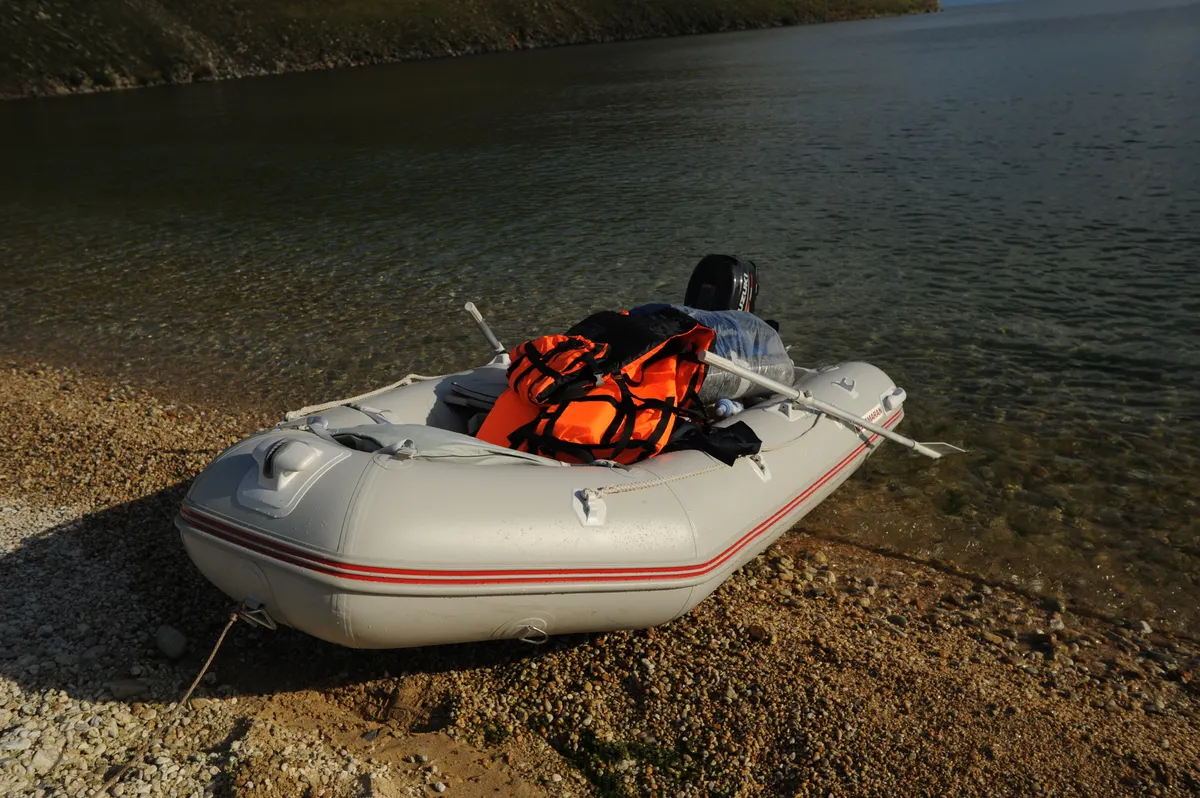
Channel smuggling gangs are turning to larger vessels, including what authorities describe as mega-dinghies, as a squeeze on the supply of small boats forces criminal groups to adapt, a BBC investigation has found. The shift comes as crossings have fallen to a six-year low, with 16,513 people reaching the UK by small boat between 1 January and 1 September 2026, down 43% on the same period the previous year.
Channel smuggling gangs and the mega-dinghy strategy
The most visible sign of the new approach came when a 15-metre vessel carrying 230 migrants was photographed crossing towards the UK. That image drew condemnation from politicians and newspapers and prompted accusations that ministers had lost control of illegal Channel crossings.
But the vessel also illustrated a tactical shift. Gang members have told sources used by the BBC that more such craft are being prepared. Emergency teams on both sides of the Channel have raised concern because larger, more crowded boats carry greater risk. On 4 August, 170 people had to be rescued after a boat caught fire in the middle of the Channel.
Rival criminal groups, which previously competed, are now being forced to cooperate, pooling migrants onto fewer but larger vessels as the supply of smaller boats runs short. French officers claim they are intercepting two-thirds of small boats before they can reach the coast, leaving gangs with fewer options and migrants with fewer crossing slots.
Prices rise as pressure on gangs increases
The tighter conditions have pushed up the cost of a crossing. Gangs are now quoting up to €2,000 (£1,700) per person, compared with around €1,300 a year ago. Passengers are also now required to pay in cash, a change the gangs use to secure commitment from those seeking a place on a boat.
Tactics have shifted in other ways too. Gangs previously launched boats in the dead of night. Charity workers told the BBC that the middle of the day is now preferred, as it allows more time for taxi boats to arrive and gives gangs better control over the boarding process. Those taxi boats, which depart from a separate point along the coast to avoid detection, are now setting off from even further away. One boat observed by the BBC during the investigation had left from Belgium.
During one early morning on Gravelines beach, a BBC crew watched a single small boat make five collections over three hours, taking on passengers in groups as it moved along the shoreline. By 12:11, it carried 82 people and moved off into the Channel. All on board successfully reached the UK.
Migrants sleeping rough to avoid detection
Charity workers told the BBC that migrants are sleeping closer to the beach, in woods or among dunes, rather than at larger camps where food, water and medical support are available. The change is driven by a need to be nearer to taxi boats and to reduce the risk of being spotted before a crossing attempt.
At the largest settlement near Loon-Plage, close to Dunkirk, a BBC crew was attacked by people smugglers. A gang member threw stones at close range, striking the crew’s cameraman above the eye. The cameraman later received stitches.
Those who fail to make a crossing wait, under the terms of their agreement with the gangs. That wait is now typically weeks or even months rather than days. Weather conditions also play a role: winds need to be below five knots and wave height below 0.8 metres for a small boat to have a realistic chance of completing the crossing.
UK-France cooperation and the Macron summit
According to NewsCord, more than 48,000 crossing attempts have been prevented as a result of UK-France cooperation. The UK and France are announcing further measures to increase the number of police officers on the French coast.
Those announcements coincide with Andy Burnham preparing to host French President Emmanuel Macron at Downing Street. Speaking ahead of the meeting, Macron said, according to the BBC: ‘This is a very strong relationship. For me it is extremely important, and I’m here with willingness and a commitment to get closer.’
The Home Office has recorded that at least 2,335 people who arrived by small boat between January 2025 and December 2025 were found to be potential victims of human trafficking or modern slavery. People from Eritrea accounted for 18% of all small boat arrivals between July 2025 and June 2026.
The average number of people per boat has more than doubled since 2021, standing at 68 for boats arriving between September 2025 and September 2026. At least 84 people died attempting the crossing in 2024, according to the United Nations. The shift to mega-dinghies, carrying far more than that average, points to where that trend is heading.