Water companies could be permitted to introduce water scarcity drought pricing for consumers, charging higher rates during dry periods, the Sunday Telegraph reports, as almost three quarters of England is now in drought following prolonged dry weather.
The Sunday Telegraph leads with plans that, pending regulatory approval, would allow firms to vary prices based on the time of year and factor water scarcity directly into bills as a mechanism for reducing consumption.
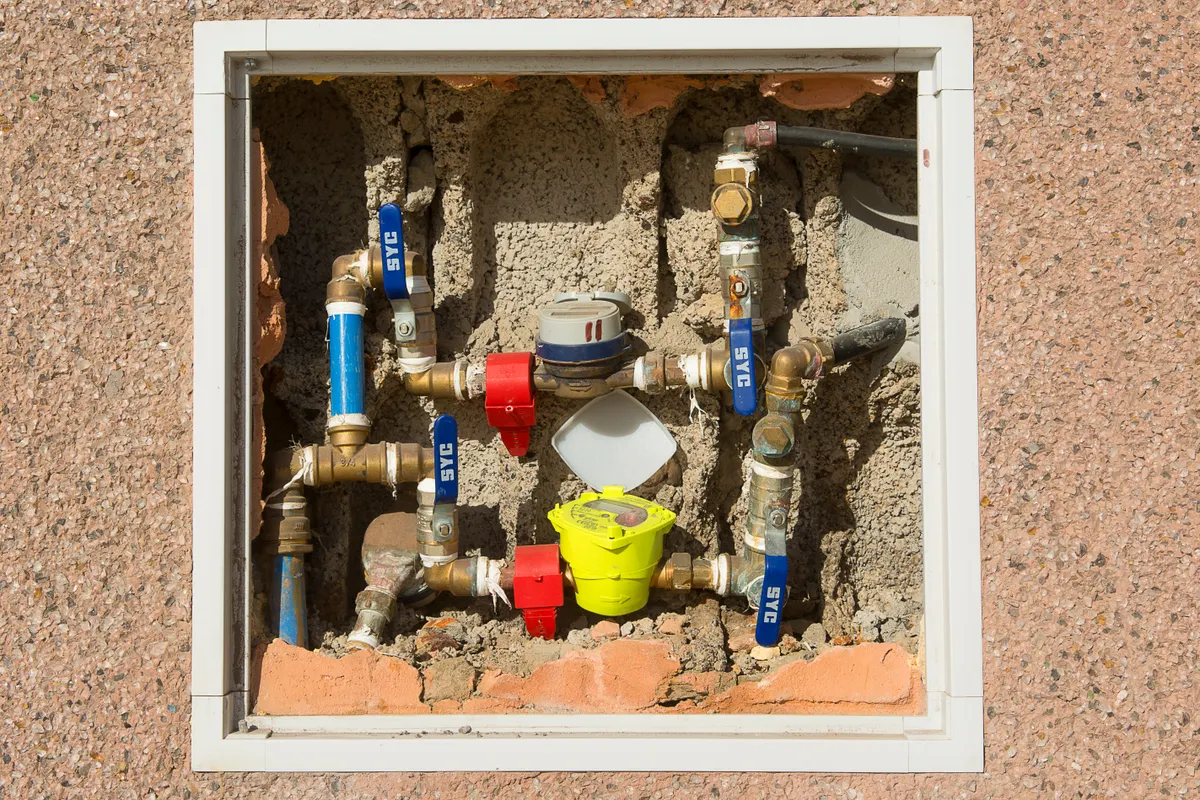
Smart meters required for water scarcity drought pricing schemes
The new pricing structures would not apply uniformly. According to GB News, most of the proposed schemes would require households to have smart water meters installed before variable charges could be applied.
The proposals arrive against a backdrop of rising bills and growing pressure on supply. Water bills rose by an average of 5.4 per cent in April 2026, equivalent to an annual increase of £33, according to iNews. Millions of people already face restrictions on water usage as drought conditions spread across England.
In 2024, Ofwat approved plans for water companies to invest £104 billion by the end of the decade. That decision prompted forecasts of a 36 per cent increase in bills overall, adding further weight to concerns that consumers face a sustained period of higher water costs.
The Sunday Telegraph’s report suggests the sector is now exploring demand-management tools beyond flat-rate charging, using price signals to discourage heavy use during periods of scarcity. Regulatory sign-off would be required before any such scheme could be rolled out.
British drones strike Russian mainland, says Sunday Times
The Sunday Times leads on a separate story with significant military implications. British-made drones supplied to Ukraine have been used to strike targets on the Russian mainland for the first time, the paper reports.
Sources in the Ukrainian armed forces confirmed the use of the weapons to The Sunday Times, saying the strikes took place over the past six months as part of Kyiv’s deep-strike campaign. The disclosure marks a development in the reported use of UK-supplied equipment in the conflict.
Wildfire alert causes chaos on roads and 999 lines
The Mail on Sunday focuses on the government’s wildfire alert, which was sent to mobile phones on Friday night. The paper says the alert caused chaos, with the 999 switchboard described as being swamped by people in a panic.
The unexpected alert startled drivers, the Mail on Sunday reports, with some swerving on motorways after their phones activated the emergency warning. The paper says the alert’s timing and delivery were not anticipated by many recipients.
The three front pages together capture a broad range of pressure points: water supply and affordability heading into what may be a prolonged drought, the evolving use of UK-made weapons in the Ukraine conflict, and questions about the design and rollout of the government’s emergency alert system.
On the water pricing proposals, the key next step remains regulatory. Ofwat would need to approve any scheme before firms could introduce seasonal or scarcity-linked charges, and the smart meter requirement means a wider rollout would depend on the pace of meter installation across the country.